Experts explain that there is a strong correlation between light exposure and obesity, as nighttime light affects metabolism and heart health.
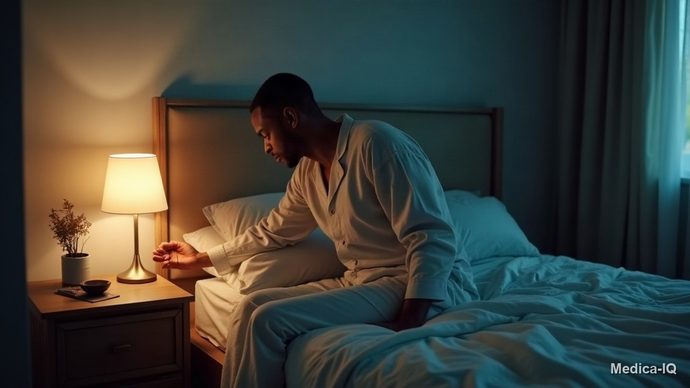
Health Risks: Is There a Link Between Light Exposure and Obesity?
Sleeping in a lit environment, even with dim lighting, leads to various health disturbances. Studies have indicated that nighttime light exposure increases the likelihood of weight gain, type 2 diabetes, and high blood pressure.
The problem lies in the fact that light penetrates the eyelids even when eyes are closed, causing a disruption in the natural sleep cycle and cell regeneration processes. Blue light emitted from phones and computers particularly affects the body’s biological clock, leading to:
- Decreased fat burning rates during sleep.
- Metabolic disturbances.
- Increased insulin resistance, where liver, fat, and muscle cells struggle to absorb glucose.
- Increased heart rate and contraction strength.
The role of “light pollution” in crowded cities is also prominent, as bright artificial lighting affects the secretion of the hormone melatonin, confusing the body’s internal clock and associated vital processes.
Ways to Prevent the Harm of Nighttime Lighting
To improve sleep quality and reduce health risks, it is recommended to follow these measures:
- Use blackout curtains and place the bed away from windows.
- Wear an eye mask during sleep.
- Keep electronic devices, such as mobile phones and computers, out of the bedroom.
- Avoid turning on bright lights when waking up to go to the bathroom, relying instead on very dim lighting to prevent falls.
- If dim lighting is necessary, it is preferable to choose colors leaning toward brown or red.
FAQ
Does dim light affect blood sugar levels?
Yes, some studies have shown that exposure to dim light for just one night may lead to increased blood sugar levels and an increased heart rate in adults.
What is the effect of light pollution on diabetes?
It has been found that people living in areas with high light pollution are more prone to developing diabetes compared to those living in less polluted areas.
Is light beneficial in any case during pregnancy?
Yes, research conducted on mice suggests that small amounts of light passing into the uterus contribute to the normal development of the fetal eye and the growth of its blood vessels.
When Should You Visit a Doctor?
You should consult a doctor if the following signs appear:
- Persistent disturbances in sleep patterns (such as waking up or falling asleep very late).
- Sudden and unexplained weight gain.
- Appearance of symptoms of insulin resistance or elevated blood sugar levels.
Medical Disclaimer: This content is for informational purposes only and is not a substitute for professional medical advice.
Related articles
- Understanding Common Hypnic Jerks Causes
- Average Calories Burned While Sleeping: What to Expect
- Is CBD a Safe and Effective Sleep Aid?
- Understanding Causes and Night Sweats: A Complete Guide
- More about Sleep & Sleep Disorders
Illustration: AI-generated
approved by: Medica Health team