Learn how to get ready for a sleep study at home or in a lab to ensure your results are accurate and your night is comfortable.
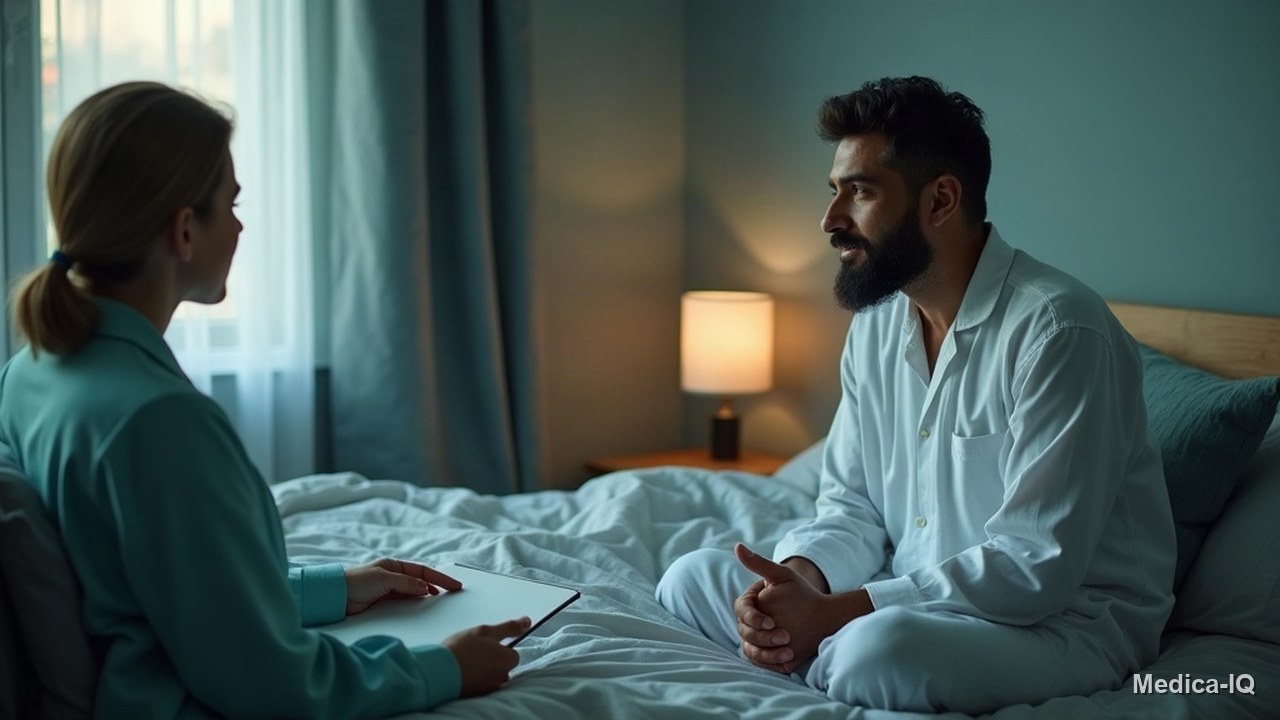
What Is a Sleep Study?
Also called polysomnography, this test records body behaviors and functions during rest. Doctors use it to identify and manage breathing issues, such as obstructive sleep apnea, or other conditions like narcolepsy, periodic limb movements disorder, and REM behavior disorder.
Depending on the goal, you may visit a clinic or perform a sleep study at home. In a lab, technicians use a camera to track movement and position, while electrodes monitor heart rate, breathing, eye movements, and brain activity.
How to Prepare for a Sleep Study
To capture the most meaningful data, mimic your typical nightly habits. Follow these guidelines to prepare:
- Follow Medical Advice: Discuss all current medications with your doctor. Do not change your prescriptions without consulting them first.
- Watch Your Intake: Avoid alcohol and caffeine (found in soda, tea, coffee, and chocolate) during the afternoon and evening of the test. However, those who drink alcohol habitually should consult their doctor before stopping abruptly.
- Stay Awake: Avoid napping during the day of a nighttime test, as this may make it harder to fall asleep later.
- Keep Skin Clean: Shower before the appointment, but avoid using makeup, lotions, hair gel, or hairspray. These products can prevent electrodes from sticking to your skin.
What to Pack for a Sleep Study
If you are staying overnight at a facility, bring items that make you feel at home. To ensure you are comfortable, consider packing:
- Your usual sleepwear and a set of clothes for the next morning.
- Personal hygiene items, including floss, toothpaste, and a toothbrush.
- Reading materials or a book.
- Makeup remover.
- Any medications your doctor approved for the night.
- Your own pillow or a child’s favorite toy or blanket.
- Your CPAP machine and mask if you already use one.
How to Prepare for a Sleep Study at Home
A sleep study at home is less comprehensive than a lab visit but is useful for assessing certain breathing disorders. You will be responsible for setting up the equipment, which may include:
- A pulse oximeter for your finger to track oxygen levels.
- A microphone to record snoring.
- A nasal tube and a chest belt to monitor breathing.
- A device to collect the data.
Follow all provided instructions carefully to ensure the sensors are placed correctly. Once the night is over, return the equipment to your provider for analysis.
FAQ
Can I take melatonin before a sleep study?
You should not take melatonin or any sleep aids unless your healthcare provider specifically instructs you to do so. Discuss all supplements with your doctor beforehand.
What happens if I can’t fall asleep?
Feeling restless in a new environment is common. However, a test is generally considered valid as long as you get at least two hours of sleep.
What if I need to use the bathroom?
You can use a microphone to alert the technician. They will disconnect the wires so you can use the restroom.
Why can’t I always do a sleep study at home?
Home equipment cannot measure everything. For example, diagnosing seizures or narcolepsy requires brain activity measurements that only a lab can provide.
When to See a Doctor
Consult a healthcare provider if you experience:
- Frequent, loud snoring.
- Excessive daytime sleepiness.
- Waking up gasping for air.
- Unusual movements or behaviors during sleep.
Disclaimer: This content is for informational purposes only and is not a substitute for professional medical advice, diagnosis, or treatment
Related articles
- Understanding Sleep Movement Disorder
- Co-Sleeping Bed: Risks, Benefits, and Safety Tips
- Babies and Head Banging at Night: Causes and Solutions
- How to Choose the Best Sleeping Position
- More about Sleep & Sleep Disorders
Illustration: AI-generated
approved by: Medica Health team