Managing your health often starts with understanding sleep apnea treatment cost and the various medical options available to improve breathing during sleep.
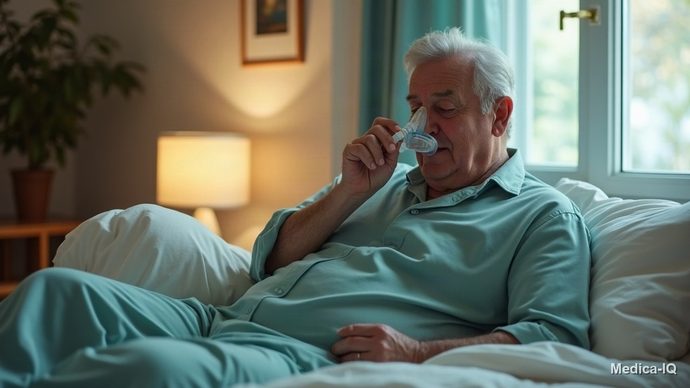
Understanding Sleep Apnea Treatment
Sleep apnea occurs when the airway is partially or fully blocked, causing temporary pauses in breathing. Obstructive sleep apnea (OSA) is the most common form, while central sleep apnea (CSA) happens when the brain fails to send the correct signals to the muscles that control breathing.
Depending on your local health service and eligibility, some patients may find that a home sleep study and initial consultations have a sleep apnea treatment cost as low as $0.
Positive Airway Pressure (PAP) Therapy
An apnea machine is often the first line of defense for moderate to severe OSA. These devices deliver pressurized air through a mask to keep the airway open.
- CPAP: The gold standard for OSA, providing a steady stream of air at a fixed pressure.
- BiPAP: Offers two different pressure levels—higher during inhalation and lower during exhalation—which is helpful for those who struggle with CPAP or have COPD.
- APAP: Automatically adjusts air pressure throughout the night based on the sleeper’s needs.
- ASV: Primarily used for CSA, this device adapts air pressure in real time. It may be dangerous for people with certain types of advanced congestive heart failure.
- EPAP: Non-motorized valves placed in the nostrils that create resistance during exhalation.
Other Medical Interventions
Oral Appliances
Custom-fitted mouthpieces can physically open the airway. Mandibular advanced devices pull the lower jaw and tongue forward, while tongue-retaining devices use suction to keep the tongue in place.
Medication for Sleep Apnea Zepbound
Zepbound (tirzepatide) was approved in December 2024 for adults with obesity and moderate to severe OSA. This medication focuses on reducing body weight and fat around the neck to decrease airway obstruction.
Surgical Options
Surgery is typically considered after non-invasive methods fail. Options include:
- Tissue Removal: Removing tonsils, adenoids, or parts of the soft palate.
- Jaw and Tongue Procedures: Moving the jaw forward or repositioning the tongue to prevent airway collapse.
- Nasal Surgery: Correcting a deviated septum or shrinking nasal bones.
- Nerve Stimulation: Implanting a device to stimulate the hypoglossal nerve (for OSA) or phrenic nerve (for CSA).
Lifestyle Changes and Weight Management
Weight loss is a critical component of many plans, as excess fat around the neck can cause the airway to collapse. Conversely, disrupted sleep can affect metabolism and hormones, making it harder to lose weight.
Other helpful changes include:
- Positional Therapy: Training yourself to avoid sleeping on your back.
- Throat Exercises: Regularly moving the tongue and soft palate for three months to reduce symptom severity.
- Avoiding Triggers: Limiting alcohol and sedatives before bed, as these relax airway muscles.
- Smoking Cessation: Quitting smoking to reduce the risk of OSA.
FAQ
How to pick the right sleep apnea treatment for you?
A sleep specialist determines the best approach based on your specific anatomy and symptoms. CPAP is usually the first choice; if that is not tolerated, a doctor may suggest BiPAP, oral devices, or surgery.
Does obesity cause sleep apnea?
Yes, excess weight can lead to fat deposits around the upper airway and reduced lung capacity, increasing the risk of airway collapse.
Can treating sleep apnea help with weight loss?
While the sources note that sleep apnea can make weight gain more likely by disrupting metabolism, they do not explicitly state that treatment alone causes weight loss, though medication like Zepbound is specifically approved to treat OSA by promoting weight loss.
Does losing weight help sleep apnea?
Losing weight can reduce the severity of symptoms and improve breathing, although it may not always cure the condition entirely.
When to See a Doctor
Consult a healthcare provider if you or your child experience the following warning signs:
- Loud snoring accompanied by gasping or choking.
- Observed pauses in breathing during sleep.
- Excessive daytime sleepiness or irritability.
- Waking up with morning headaches.
- Night sweats caused by the effort of breathing.
Disclaimer: This content is for informational purposes only and does not constitute medical advice. Always seek the advice of your physician or other qualified health provider with any questions you may have regarding a medical condition.
Related articles
- night sleep better: How to Get a Better Night Sleep
- Women and Sleep: Causes, Disorders, and Better Rest
- Understanding Central Sleep Apnea: Causes and Treatment
- What Is the Scandinavian Sleep Method? A Complete Guide
- More about Sleep & Sleep Disorders
Illustration: AI-generated
approved by: Medica Health team