Learn how to recognize sleep apnea symptoms and treatment options to protect your heart, brain, and overall long-term health.
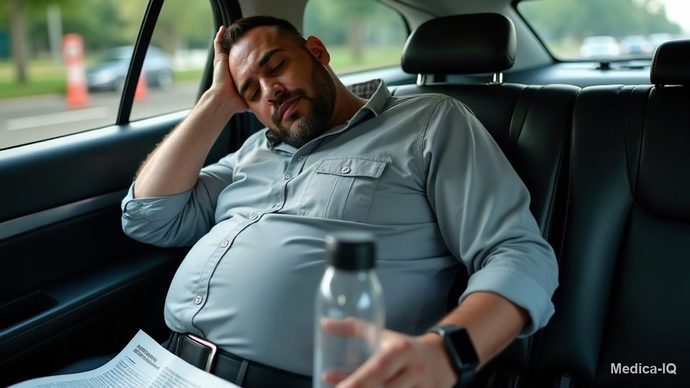
Obstructive sleep apnea (OSA) occurs when the throat’s airway partially or fully closes during sleep, causing breathing to stop temporarily. Left unmanaged, this condition can lead to serious health complications.
Understanding Sleep Apnea Symptoms and Treatment
Loud snoring, gasping for air, or choking sounds during the night are common signs of this disorder. Many people also wake up with morning headaches, a dry mouth, and excessive daytime sleepiness. In children, symptoms may manifest as irritability, hyperactivity, difficulty concentrating, or falling asleep during playtime.
How is it diagnosed?
Some smartwatches can now alert users to signs of moderate to severe OSA by tracking sleep patterns or blood oxygen levels, but these are not definitive diagnoses. The gold standard remains the sleep study, conducted either in a specialized center or via a home test.
Common treatment options
Treatment depends on the severity of the condition and its cause:
- CPAP Therapy: Continuous positive airway pressure uses a mask and machine to deliver steady air pressure that keeps the airway open.
- Surgery: For children with enlarged adenoids or tonsils, an adenotonsillectomy can be curative in 80% to 90% of cases.
- Weight Management: Losing weight can reduce the severity of the condition.
- Addressing Co-occurring Issues: Treating acid reflux may improve symptoms for some individuals.
Health Risks of Untreated Sleep Apnea
Leaving this condition untreated can trigger various systemic health problems:
- Cardiovascular Issues: OSA is linked to heart failure, heart attacks, atrial fibrillation, and high blood pressure. It can cause pulmonary hypertension, weakening the right ventricle and potentially causing swelling in the feet, ankles, and legs.
- Neurological Impact: Brain fog, memory loss, and mild cognitive impairment are associated with the disorder. Reduced blood flow and oxygen to the brain also increase the risk of ischemic stroke.
- Metabolic Changes: A strong link exists between OSA, type 2 diabetes, and metabolic syndrome (a combination of abnormal cholesterol levels, waist fat, high blood pressure, and high blood sugar).
- Mental Health and Safety: Poor sleep quality can lead to depression and a significantly higher risk of car accidents due to grogginess.
The Link Between Weight and Sleep Apnea
Obesity and sleep apnea share a reciprocal relationship, where each condition can worsen the other.
How weight affects breathing
Excess fat, especially around the neck, can cause the airway to collapse. Obesity can also alter hormones that regulate breathing and reduce lung capacity. Research indicates that a 10% increase in weight can make a person six times more likely to develop the condition.
How breathing affects weight
The disorder can hinder weight loss by increasing the release of ghrelin, a hormone that triggers cravings for carbohydrates and sweets. Furthermore, chronic fatigue can make it harder to convert food into energy efficiently.
FAQ
Does obesity cause sleep apnea?
Yes, obesity is a leading risk factor. Fat deposits and extra tissue around the upper airway can block airflow and increase the likelihood of the airway collapsing during sleep.
Can treating sleep apnea help with weight loss?
Yes. Effective treatment can increase daytime energy levels, making it easier for individuals to engage in exercise and other physical activities that support weight loss.
Does losing weight help sleep apnea?
Losing weight can improve symptoms and reduce the severity of the condition, although it may not always cure it entirely.
Can sleep apnea go away on its own?
Some young children may outgrow the condition as their throats grow larger and their airways stiffen.
When to see a doctor
Consult a healthcare provider if you or your child experience these warning signs:
- Frequent pauses in breathing during sleep (longer than two breath cycles in children).
- Excessive nighttime sweating.
- Waking up feeling exhausted despite a full night’s sleep.
- Uncontrollable daytime sleepiness that interferes with school or work.
- Severe snoring accompanied by choking or gasping.
Medical Disclaimer: This content is for informational purposes only and does not constitute medical advice. Always seek the guidance of your physician or other qualified health provider with any questions you may have regarding a medical condition.
Related articles
- Understanding the Main Causes of Sleep Deprivation
- Zepbound Approved for Obstructive Sleep Apnea (OSA)
- Hand Numbness After Sleeping: Causes and Relief Tips
- Can Lack of Sleep Cause a Brain Stroke?
- More about Sleep & Sleep Disorders
Illustration: AI-generated
approved by: Medica Health team