Learn the most important health guidelines and preventive measures to avoid coronavirus symptoms and how to handle air and sea travel safely.
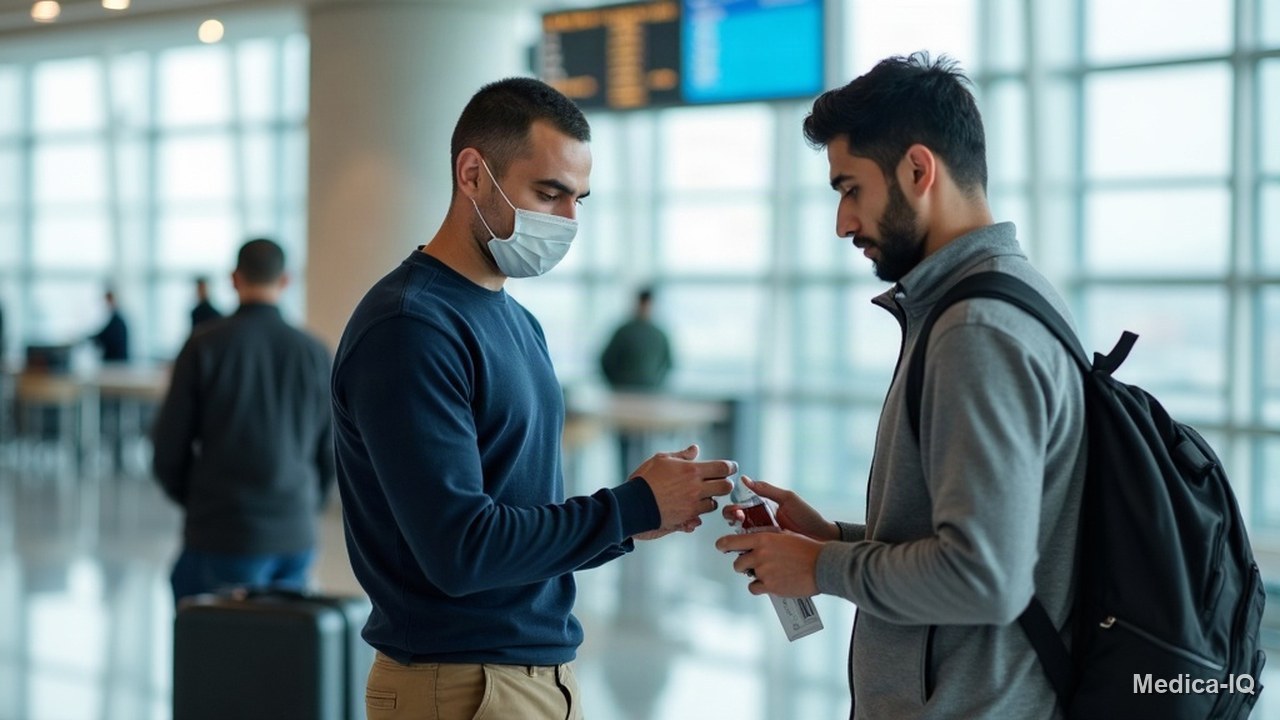
Ways to Prevent Coronavirus Disease
If you must travel, you can reduce the likelihood of infection by following these steps:
- Hand Hygiene: Wash your hands with soap and water for 20 seconds, ensuring the lather reaches all parts of the hand, and avoid touching the faucet directly.
- Using Sanitizers: When water is unavailable, use an alcohol-based sanitizer with a concentration between 60% and 95%, rubbing it thoroughly over your hands.
- Avoid Touching the Face: Be careful not to touch your eyes, nose, or mouth, especially after touching public surfaces.
- Handling Surfaces: Minimize touching handles and surrounding objects; paper towels can be used to grip them and then disposed of immediately.
- Social Distancing: Stay away from crowded gatherings and closed rooms, and maintain a safe distance from others in waiting lines.
- Cough Etiquette: Use paper tissues when sneezing, or use the crook of your elbow if they are unavailable, and sanitize your hands afterward.
Protection Measures Against COVID on an Airplane
Closed cabins are environments that require extra caution, so it is recommended to:
- Commit to wearing a face mask throughout the flight, and it is preferable to carry extra masks.
- Direct your face away from the adjacent passenger as much as possible.
- Minimize the use of airplane restrooms; if necessary, it is preferable to place a plastic cover on the toilet and avoid touching handles and faucets by hand.
Travel, Cruises, and Pilgrimage
The level of safety varies depending on the type of trip:
- Cruises: Risks may increase due to large gatherings and direct contact; therefore, the elderly, pregnant women, and those with weakened immunity are advised to avoid them.
- Hajj and Umrah: These can be performed by following guidelines, but those over 65 years old, children under 12, and people with chronic diseases or cancer are advised to postpone the rituals.
Frequently Asked Questions About Coronavirus Symptoms
Is there a possibility of contracting the infection during flights?
The probability of transmission inside aircraft is considered low due to the efficiency of air purification systems. However, it is recommended to continue sanitizing hands and avoid touching the face.
Is wearing a mask recommended when traveling?
Opinions vary; some recommendations suggest wearing one permanently to reduce the chance of infection, while others believe it is only necessary for those showing symptoms.
Should I cancel my trip because of the virus?
This depends on the health situation at your destination; therefore, you should check the status of the intended country and contact the airline before making a decision.
Is it safe to be on a cruise?
Risks are considered higher on these trips due to the density of gatherings, especially for groups more prone to health complications.
Can you perform Hajj and Umrah rituals?
Yes, provided that prevention rules are followed, taking into account recommendations to postpone travel for sensitive health groups.
What procedures should be followed when returning from an area experiencing an outbreak?
It is preferable to undergo home isolation for 14 days to monitor health status.
When to Visit a Doctor?
You should seek medical assistance immediately if any of the following signs appear:
- High body temperature (fever).
- Difficulty breathing or shortness of breath.
- Persistent cough or throat inflammation.
- Other symptoms such as headache, muscle pain, or diarrhea.
Disclaimer: This content is for informational purposes only and does not substitute for professional medical consultation.
Related articles
- Understanding the Flu: Symptoms, Prevention, and Care
- Severe Obesity and H1N1 Virus Risks
- Do Antibiotics Help a Phlegmy Cough?
- Health Benefits Weeks After Quitting Smoking
- More about Colds, Flu & COVID-19
Illustration: AI-generated
approved by: Medica Health team