Discover how physical activity and sleep influence each other to improve your overall health, mood, and nightly rest.
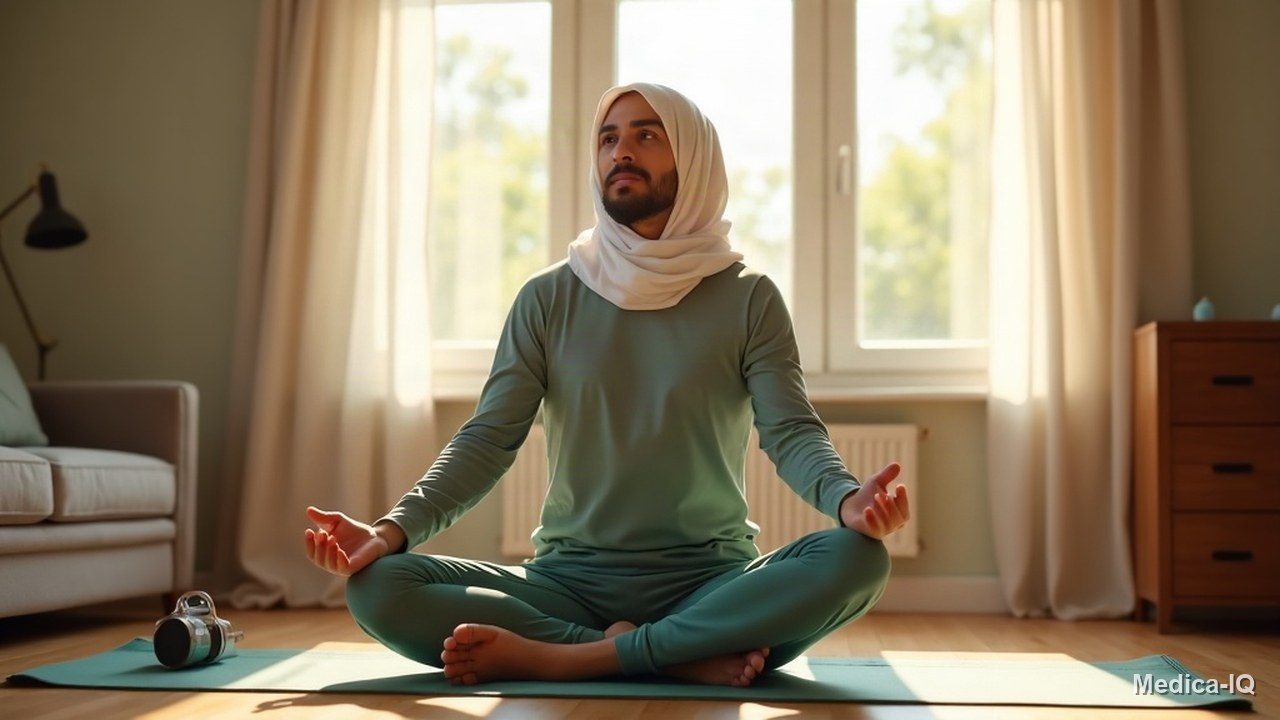
How Physical Activity and Sleep Are Connected
Regular movement and quality rest share a bidirectional relationship. Engaging in exercise can help you fall asleep faster and increase the total time spent sleeping. Conversely, getting enough rest is vital for people who work out, as it allows muscles and tissues to repair, which prevents injuries and exhaustion. When a person suffers from poor sleep, they may find themselves less active during the day.
The impact of exercise varies based on age and intensity:
- Adults: Consistent, moderate activity generally improves sleep quality and duration.
- Adolescents: Moderate training over several weeks can improve sleep, but high-intensity workouts may actually shorten sleep duration for some teens.
- People with Insomnia: Stretching and moderate resistance or aerobic training can lead to fewer nighttime awakenings and less anxiety.
Benefits of Physical Activity for General Health
Beyond improving rest, staying active offers numerous advantages for the body and mind:
- Disease Prevention: Regular movement lowers the risk of stroke, diabetes, some cancers, and cardiovascular disease.
- Mental Wellbeing: Exercise can treat mild to moderate depression by releasing endorphins and boosting self-confidence.
- Physical Strength: Weightlifting increases muscle mass and helps older adults maintain bone density to prevent hip fractures.
- Longevity: Those who engage in about 150 minutes of activity weekly have a 33% higher chance of living longer than inactive individuals.
- Body Maintenance: Aerobic tasks like swimming or cycling improve heart and lung function, while tai chi and yoga enhance balance and flexibility.
Timing Your Workouts for Better Rest
When you exercise can change how you sleep. Aerobic activities performed in the early morning are linked to better sleep quality and more slow-wave sleep compared to afternoon or evening sessions. Even a brief 10-minute walk during the day can help.
To avoid disrupting your night, follow these guidelines:
- Avoid Strenuous Workouts: Try to finish intense exercise at least three hours before bed. Late-night workouts raise body temperature, which can make it harder to fall asleep.
- High-Intensity Limits: Vigorous activity within one hour of bedtime may reduce sleep efficiency.
- Evening Alternatives: Gentle stretching, yoga, meditation, or progressive muscle relaxation are better choices for the evening as they encourage relaxation.
Managing Sleep Apnea with Exercise
Physical exercise and sleep can be particularly impactful for those with obstructive sleep apnea (OSA). Regular activity may lower the severity of OSA by reducing the shift of bodily fluids that puts pressure on the upper airway during sleep.
Weight loss also plays a role. Reducing weight is linked to fewer OSA symptoms and less daytime sleepiness, especially for those with mild to moderate cases. Helpful activities for OSA include:
- Bicycling and walking
- Jogging or using an elliptical trainer
- Resistance training and tai chi
FAQ
Does exercise help sleep apnea?
Yes, it can reduce the severity of obstructive sleep apnea, improve cardiovascular fitness, and decrease daytime sleepiness, even if significant weight loss does not occur.
Can weight loss improve sleep apnea?
Losing weight is associated with a reduction in symptoms and daytime sleepiness, particularly for those with mild or moderate OSA.
Is exercise a treatment for depression?
Physical activity is an effective treatment for mild to moderate depression. For clinical depression (major depressive disorder), it is typically used alongside therapy and medication.
How much exercise is recommended for weight management?
For most people, 30 minutes of moderate aerobic activity five times per week is suggested.
How do I know if I am getting enough sleep?
Adults generally need at least 7 hours of sleep per night. Signs of deprivation include irritability, impaired memory, mood changes, and extreme daytime fatigue.
When to See a Doctor
Consult a healthcare provider if you experience the following:
- Sleep Warning Signs: You frequently snore, gasp for air, or stop breathing during the night.
- Pain: You feel pain during exercise or severe pain that lasts several hours after a workout.
- Health Risks: You are over age 50, have a medical condition like heart disease or diabetes, or have been sedentary for a long time before starting a new program.
Medical Disclaimer: This content is for informational purposes only and does not constitute medical advice. Always seek the guidance of a qualified health provider with any questions regarding a medical condition.
Related articles
- Benefits of Drinking Barley Water Before Bed
- happens bank: What Happens During Sleep? Understanding
- Managing Parkinson’s Sleep Disorder: Tips & Treatments
- Oversleeping: How Much Sleep Is Too Much?
- More about Sleep & Sleep Disorders
Illustration: AI-generated
approved by: Medica Health team