Understanding the bidirectional relationship between pain and sleep can help individuals manage chronic discomfort and improve overall nightly rest.
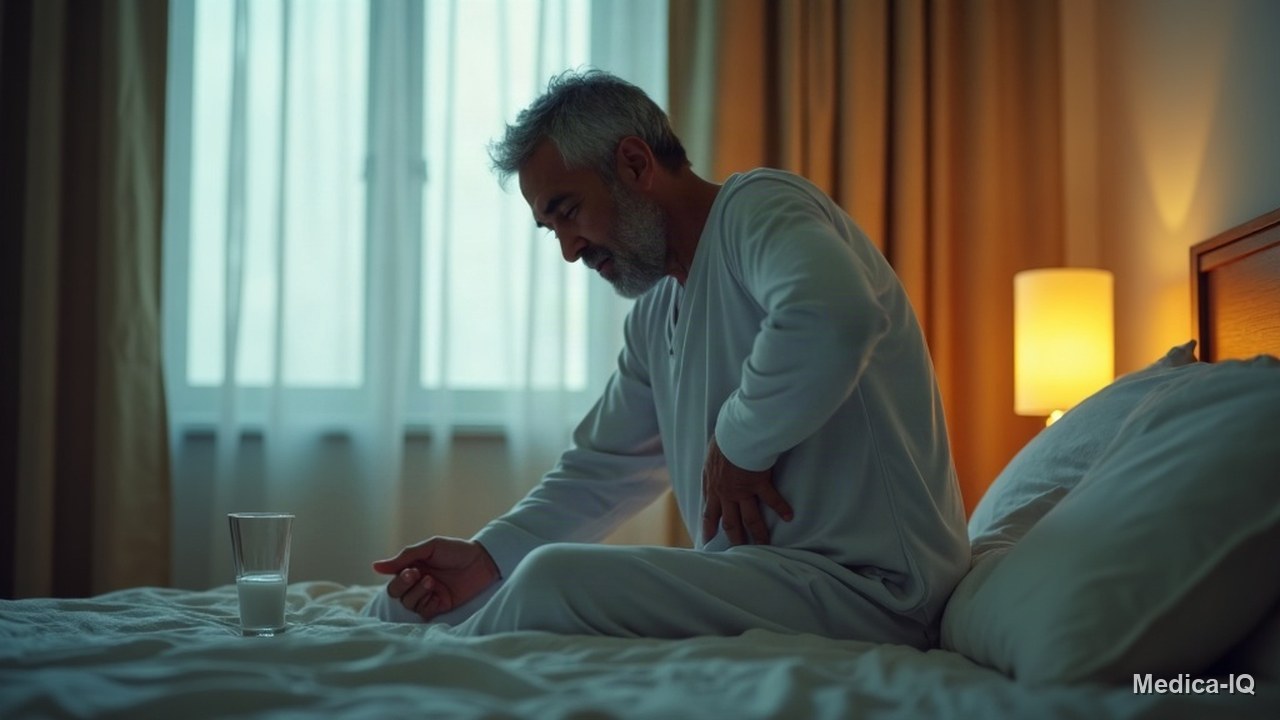
The Connection Between Sleep and Pain
Pain and sleep are closely linked, often creating a cycle where one worsens the other. Chronic pain—which lasts for several months or recurs frequently—can lead to long-term sleep deprivation. This occurs because pain can cause frequent nighttime awakenings, which is the most common sleep complaint for these patients.
Conversely, poor sleep quality, fragmented rest, or short sleep durations can increase a person’s sensitivity to pain the following day. Some evidence suggests that the impact of sleep on pain may be even stronger than the reverse. Lack of sleep can cause immune system inflammation and may increase the risk of developing conditions like migraines or fibromyalgia.
How Pain and Sleep Affect Daily Life
The interaction between these two factors often involves mental health. A self-perpetuating cycle can develop where pain leads to insomnia, which then triggers anxiety or depression. These psychological states can further heighten pain sensitivity.
Physical limitations also play a role. Those with chronic pain may experience daytime fatigue, making them less likely to maintain a healthy diet or exercise, both of which are necessary for quality rest.
Managing Pain and Sleep Through Positioning
The type of discomfort often determines the best way to lie down.
- Side Sleeping: Generally considered the best for lower back pain. Using a pillow between the knees helps keep the hips and spine aligned. A fetal position can also reduce tension around the spine.
- Back Sleeping: A good alternative if a pillow or rolled towel is placed under the knees to maintain the spine’s natural curve.
- Stomach Sleeping: Usually not recommended as it can strain the back and neck. If necessary, placing a thin pillow under the pelvis may help.
- Specific Conditions: Those with rheumatoid arthritis may need to avoid side sleeping if they have joint pain in the shoulders, hips, or knees. People with multiple sclerosis may need to change positions frequently to avoid tingling or numbness.
Strategies for Better Rest
To improve the quality of your sleep, consider these lifestyle and environmental adjustments:
- Sleep Hygiene: Maintain a consistent wake and sleep schedule. Keep the bedroom cool, dark, and quiet.
- Bedtime Routine: Establish a calming sequence, such as reading or taking a bath. Avoid alcohol, caffeine, and screens close to bedtime.
- Physical Activity: Strengthening core muscles (abdomen, pelvis, and lower back) can reduce nighttime muscle spasms. Gentle yoga or stretching before bed may also ease lower back pain.
- Mental Techniques: Mindfulness, deep breathing, and guided imagery can help relax the central nervous system.
- Equipment: A mattress that supports the spine’s natural curvature can alleviate pressure. Some people find relief by updating their mattress every 6 to 8 years.
FAQ
Why does pain hurt more at night?
Pain can feel more intense at night due to a lack of daytime distractions and prolonged pressure on nerves or joints from certain sleeping positions.
How does pain affect sleep?
It can disrupt the cycle of light, slow-wave, and REM sleep, leading to frequent awakenings and less restful sleep.
Can mental health impact this cycle?
Yes. Anxiety, depression, and the tendency to “catastrophize” can amplify the perception of pain and make it harder to fall asleep.
What is the best position for sciatica?
Sleeping on the side with a pillow between the knees or on the back with a pillow under the knees can help reduce pressure on the sciatic nerve.
When to See a Doctor
Consult a healthcare provider if you experience any of the following:
- Severe sciatic pain that lasts for several weeks.
- Leg weakness or numbness.
- Loss of bowel or bladder control.
- Pain that prevents you from functioning during the day.
Disclaimer: This content is for informational purposes only and does not constitute medical advice. Always seek the advice of your physician or other qualified health provider with any questions you may have regarding a medical condition.
Related articles
- Sleep Related Breathing Disorders Definition and Types
- Effective Tips for Restful Sleep and Better Health
- Best Windowless AC Options for Your Bedroom
- Essential Baby Sleep Safety Guidelines
- More about Sleep & Sleep Disorders
Illustration: AI-generated
approved by: Medica Health team