Recent research suggests that noise during sleep affects your heart, study finds, potentially impacting cardiovascular health even at low decibel levels.
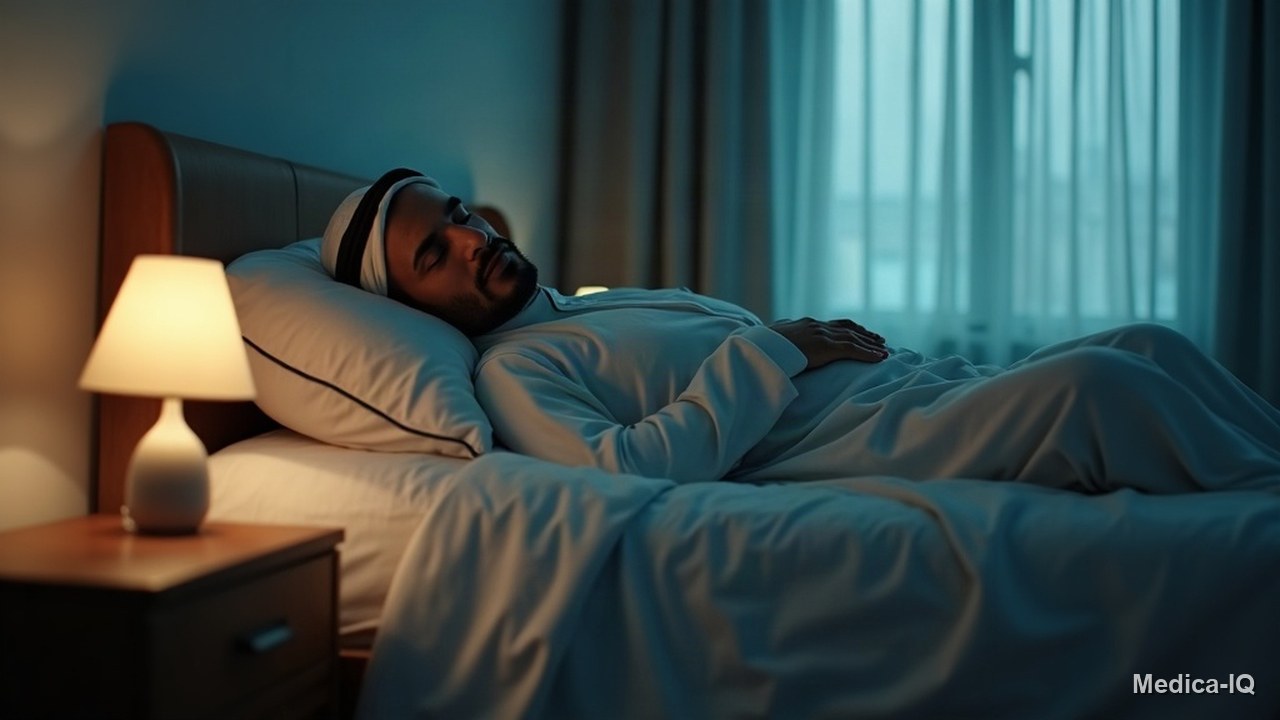
How Noise During Sleep Affects Your Heart, Study Finds
Environmental sounds can trigger physical reactions in the body even when a person remains asleep. Researchers from Flinders University observed that sounds as low as 48 dB—quieter than a typical refrigerator—increased the likelihood of changes in pulse wave amplitude, which relates to blood flow, by 3.4 times.
Additionally, sounds exceeding 40 dB caused participants’ heart rates to first rise and then fall. While these levels are below the World Health Organization’s 70 dB limit, chronic activation of these responses may harm the cardiovascular system. Long-term exposure to such disturbances is linked to an increased risk of:
- Hypertension
- Heart disease
- Stroke
Short-Term and Long-Term Sleep Disruptions
Noise can interfere with the quality of rest in several ways:
- Sleep Architecture: Traffic or air noise can increase time spent in light stage 1 sleep while reducing the amount of REM and deep slow-wave sleep.
- Biochemical Changes: Nighttime sounds may trigger the release of cortisol and adrenaline, while also raising blood pressure.
- Next-Day Effects: Even if you do not wake up, subtle disruptions can lead to irritability, sleepiness, and diminished mental health the following day.
Using “Colored” Noise to Improve Rest
While some sounds disrupt sleep, others may help mask noise or improve sleep quality.
Pink Noise
This sound emphasizes lower frequencies and often mimics nature, such as rain, wind, or rustling leaves. Some evidence suggests it can help people fall asleep faster and improve deep sleep. In older adults, who may lose up to 70% of their deep sleep compared to younger people, pink noise has been shown to increase slow-wave brain activity, which is essential for memory.
Green Noise
Green noise focuses on mid-range frequencies and sounds like a stream or ocean waves. It is often viewed as more calming than white noise because it lacks harsh high tones. While research is limited, it is used to mask disruptive environments.
White and Brown Noise
White noise contains all audible frequencies at equal volume, sounding like radio static. Brown noise focuses on the lowest bass ranges, resembling a jet engine or thunder.
FAQ
What is pink noise?
It is a sound that balances all audible frequencies but gives more power to the lower ones, making it sound softer and more natural than white noise.
How can green noise benefit you?
Though data is limited, it can help mask ambient sounds that would otherwise wake you up, potentially allowing for a more stable sleep environment.
Why do older adults have more sleep issues?
Aging often leads to a shift in the circadian rhythm and a decrease in deep sleep. Lifestyle factors, such as reduced exercise, also contribute to frequent awakenings.
How to avoid noises when trying to sleep?
You can adjust your bedroom environment, use earplugs, or negotiate quiet hours with others in your home.
When to See a Doctor
Consult a healthcare provider if you experience the following warning signs:
- Chronic insomnia or inability to stay asleep.
- Persistent high blood pressure or signs of cardiovascular distress.
- Severe daytime irritability or cognitive impairment due to poor sleep.
Disclaimer: This content is for informational purposes only and is not a substitute for professional medical advice, diagnosis, or treatment.
Related articles
- enough sleep but still tired
- Study Finds Bedtime Procrastination Impacts Sleep Quality
- Does Melatonin Affect Birth Control? What You Need to Know
- How Exercise Improves Women’s Sleep and Quality
- More about Sleep & Sleep Disorders
Illustration: AI-generated
approved by: Medica Health team