Light therapy for sleep uses artificial bright light to help regulate the body’s internal clock, making it easier to wake up and fall asleep.
What is Light Therapy for Sleep?
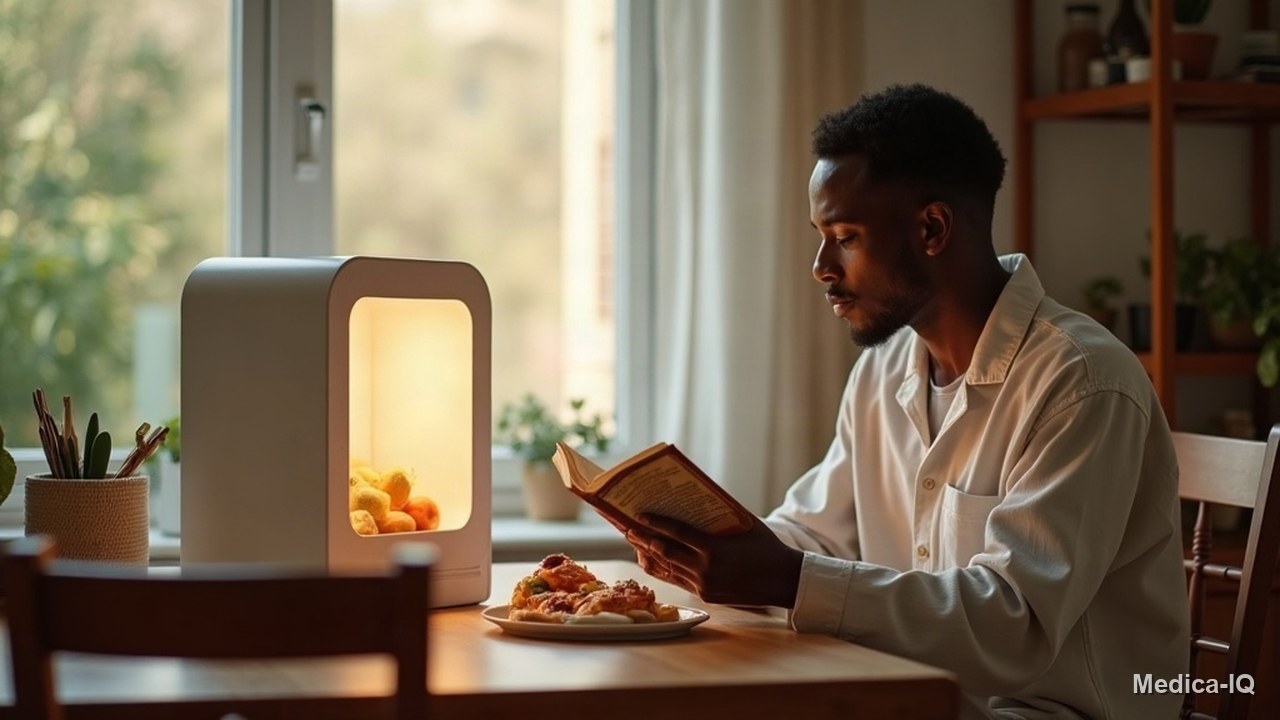
Also known as phototherapy or bright light therapy, this treatment involves sitting in front of a specialized device, such as a light box or visor, for a specific amount of time each day. These devices emit bright light that mimics natural sunlight but filters out harmful UV rays.
The goal is to reset the circadian rhythm, which is the 24-hour internal clock that manages when you feel alert or sleepy. By mimicking the sun, this therapy helps realign your biological clock with the actual time of day.
How It Works and the Science of Light
Retinal cells in the eyes perceive the bright light, which triggers changes in brain chemicals:
- Melatonin: The perception of light delays the production of this sleep hormone, helping you wake up and feel more alert.
- Serotonin: Exposure to light may boost this chemical, which is linked to mood regulation and feelings of calm.
The timing of exposure is critical. Morning sessions are generally most effective for those whose body clocks are delayed. Conversely, people who feel tired very early in the evening, such as overnight shift workers, may find afternoon or evening sessions more beneficial.
Conditions Treated with Light Therapy
This approach can be used to manage several sleep and mood-related issues:
- Insomnia: Difficulty falling or staying asleep.
- Circadian Rhythm Sleep Disorders: Issues caused by a misaligned internal clock, including jet lag and shift work sleep problems.
- Seasonal Affective Disorder (SAD): A type of depression occurring during specific seasons, often involving hypersomnia (sleeping 10 or more hours).
- Depression: While evidence is less conclusive for non-seasonal depression, it may help, especially when combined with antidepressants.
- Other Conditions: It may be recommended for people with dementia or Alzheimer’s disease.
Using Light Therapy at Home
Many people use light therapy at home with devices like desk lamps, floor lamps, alarm clocks, or wearable visors.
Usage Guidelines:
- Intensity: A common intensity is 10,000 lux, which may require sessions of 20 to 40 minutes. Lower-intensity devices (2,500 lux) may require up to 2 hours.
- Positioning: Devices are typically placed 16 to 24 inches from the face.
- Safety: Light should shine into the eyes indirectly; never look directly into the light.
- Device Choice: Ensure the device is designed for mood and sleep, as skin-treatment lights (like those for psoriasis) do not filter UV rays.
FAQ
Does red light help you sleep?
Evidence is mixed. Red light does not suppress melatonin, and one study showed improved sleep quality in female athletes. However, another study suggested red light might increase anxiety or negative emotions, which could hinder sleep.
How does blue light affect sleep?
Blue light from LEDs and electronic screens suppresses melatonin and disrupts the circadian rhythm, making it harder to fall asleep and reducing overall sleep quality.
What color light helps you sleep?
Darkness is the best environment for sleep. If light is necessary, warm tones like amber, yellow, or red are preferred because they do not disrupt the sleep cycle as much as cool-tone lights.
How long does it take to work?
Some people notice changes in 2 to 4 days, while others see improvements in the first or second week. In some cases, it may take several weeks.
When to See a Doctor
Consult a healthcare provider before starting light therapy, especially if you have bipolar disorder or eye and skin conditions that increase sensitivity to sunlight.
Seek medical advice if you experience persistent side effects, such as:
- Headaches or nausea
- Eye strain
- Skin irritation
- Hyperactivity
Disclaimer: This content is for informational purposes only and does not constitute medical advice. Always seek the guidance of a qualified health provider with any questions regarding a medical condition.
Related articles
- How to Sleep With Tinnitus: Tips for Better Rest
- Understanding Narcolepsy: Symptoms, Causes, and Treatment
- Hypnic Jerk: Why You Twitch While Falling Asleep
- Does Melatonin Affect Birth Control? What You Need to Know
- More about Sleep & Sleep Disorders
Illustration: AI-generated
approved by: Medica Health team