Understand how light and sleep interact by learning how different wavelengths influence your internal clock and hormone production.
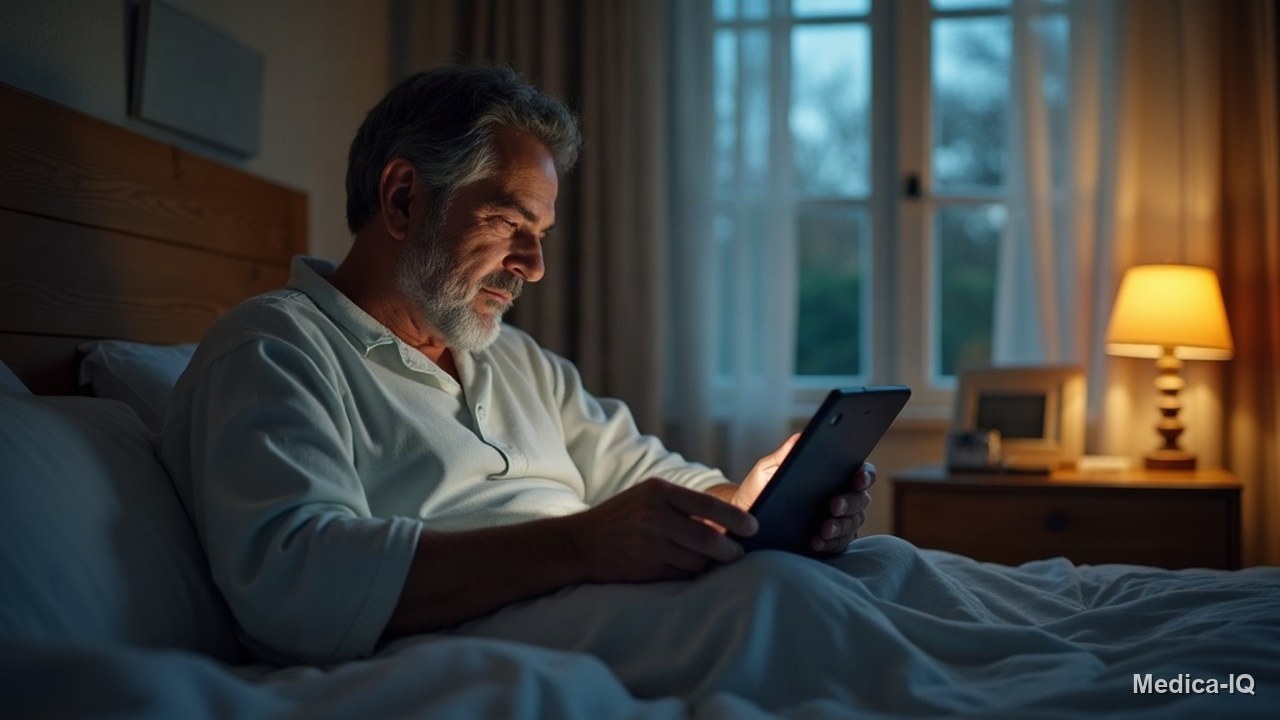
How Light and Sleep Are Connected
Light is a primary regulator of the body’s internal 24-hour clock, known as the circadian rhythm. This system signals the brain when to maintain alertness and when to initiate rest. When the eyes detect light, the brain receives signals about the time of day to coordinate various bodily functions.
Natural sunlight helps synchronize this rhythm with the day-night cycle. Artificial illumination, however, can misalign this internal clock. Such disruptions may lead to health issues, including cardiovascular problems, weight gain, and impaired metabolism.
The Role of Melatonin and Sleep Cycles
The pineal gland produces melatonin, a hormone that creates feelings of drowsiness. Darkness increases its production, while light exposure suppresses it. This process helps stabilize the sleep-wake schedule.
Light also impacts rest quality by affecting sleep cycles. A typical night consists of four to six cycles, each lasting between 70 and 120 minutes. These cycles include REM and non-REM stages. Nighttime light can:
- Prevent smooth transitions between these stages.
- Cause more frequent awakenings.
- Reduce the amount of time spent in restorative, deep sleep.
How Different Types of Light Affect Sleep
Not all illumination has the same impact. Daylight is significantly more intense than indoor lighting; direct sun reaches 10,000 lux, whereas a bright office typically provides roughly 500 lux.
The Impact of Blue Light
Blue light is a short-wavelength light emitted by the sun, LED bulbs, fluorescent lights, and electronic screens. Because it stimulates specific retinal cells, it has a stronger effect on the circadian rhythm than longer wavelengths. While helpful for daytime alertness, evening exposure to blue light suppresses melatonin and can delay the sleep-wake cycle.
Sensitivity in Children
Children are often more sensitive to light than adults due to larger pupils and different eye structures. Research indicates that evening light can suppress melatonin twice as much in children. Those who have not yet reached puberty may experience even greater suppression.
Optimizing Your Environment for Rest
To improve the effect of light on sleep, aim for a bedroom that is as dark as possible.
- Window Treatments: Use blackout curtains to stop outside light from entering.
- Lighting Choices: Use dim, warm-colored lamps when winding down.
- Technology Habits: Avoid screens for two to three hours before bed. If devices must be used, utilize “night mode” settings or blue light filtering glasses.
- Safety Measures: For those prone to falls, use motion-activated lights in hallways to provide low-level illumination only when needed.
- Accessories: A snug eye mask can help block light if a partner prefers the TV or a lamp on.
FAQ
What is blue light and sleep?
Blue light is a short-wavelength light found in the sun and electronic devices. It promotes alertness during the day but suppresses melatonin production at night, which can make it difficult to fall asleep.
Does blue light cause sleep issues in children?
Yes. Because children’s eyes are more sensitive to light, artificial blue light can significantly disrupt their melatonin levels, potentially leading to a lack of focus the next day and difficulty staying asleep.
Is it bad to sleep with lights on?
Generally, yes. Light during the night can fragment sleep and interfere with the natural sleep-wake cycle. However, if darkness causes anxiety, a dim, warm-hued night light positioned away from the bed may be used.
Should I nap with the light on or off?
While darkness is usually best, keeping lights on during a short daytime nap (under 30 minutes) may prevent you from entering a deep sleep stage and oversleeping.
When to See a Doctor
Consult a healthcare provider if you experience the following:
- Persistent difficulty falling or staying asleep that impacts your daily energy and cognition.
- Symptoms of shift work disorder, such as excessive sleepiness at inappropriate times.
- Severe jet lag that does not resolve within two weeks.
- Chronic bedtime anxiety or a fear of the dark that prevents rest.
Disclaimer: This content is for informational purposes only and does not constitute medical advice. Always seek the guidance of a qualified health provider with any questions regarding a medical condition.
Related articles
- What is GLP-1s Meaning? Use for Weight Loss and Sleep Apnea
- Co-Sleeping Bed: Risks, Benefits, and Safety Tips
- Understanding Breathing Pauses During Sleep
- Understanding Common Hypnic Jerks Causes
- More about Sleep & Sleep Disorders
Illustration: AI-generated
approved by: Medica Health team