Whether sleeping on the floor good for your health depends on your physical condition, as there is little scientific evidence to prove it is healthier than a mattress.
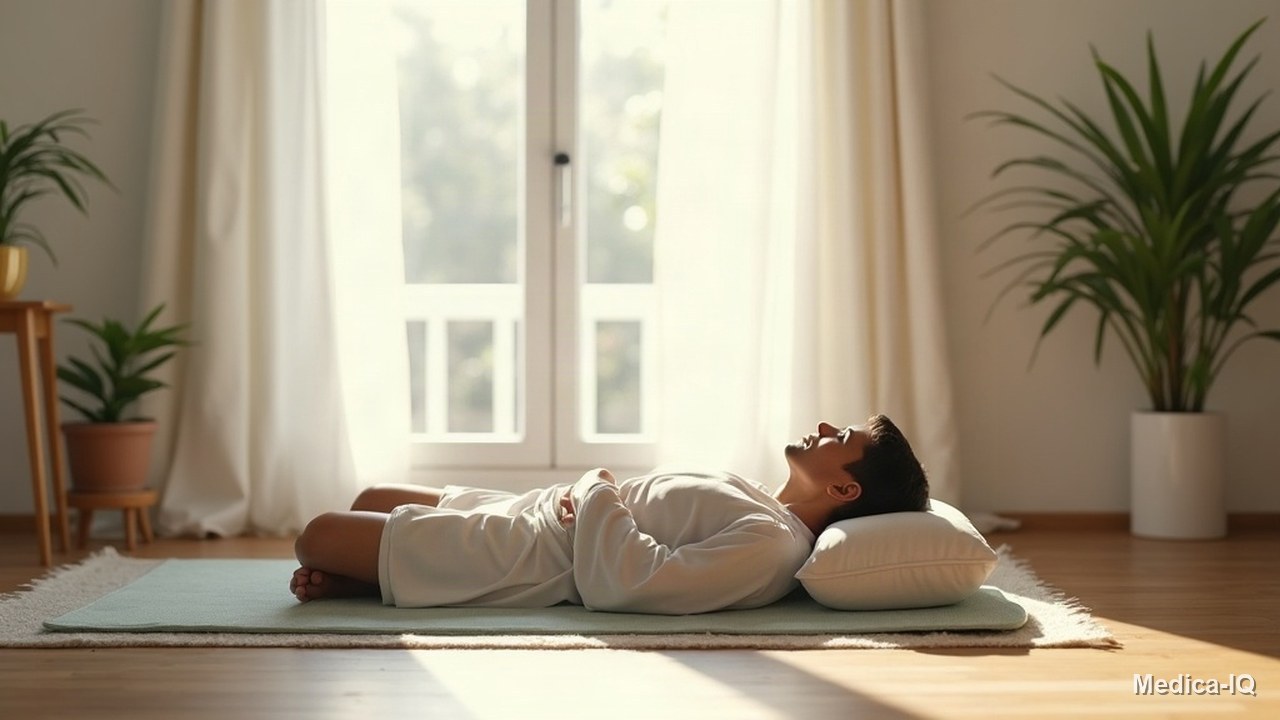
Potential Benefits of Sleeping on the Floor
Some individuals find that a firm surface improves their sleep experience. Potential advantages include:
- Temperature Control: Since heat rises, the floor is often cooler. This can be helpful for people who struggle with overheating during the summer.
- Posture Support: A hard surface prevents the body from sinking too deeply, which may help some people keep their spine straight.
- Back Relief: Certain people, including some pregnant women, may find a firm surface reduces back pain. Some orthopedic surgeons and health organizations suggest firm surfaces for those with back issues.
Drawbacks and Risks
While some benefit, others may find that sleeping on the floor is not ideal.
- Increased Pain: Without cushioning for the shoulders and hips, the floor can cause stiffness. Research indicates that medium-firm mattresses often provide more relief for lower back pain over a 90-day period than very firm surfaces.
- Allergens: Sleeping closer to the ground can increase exposure to dust, mold, and dust mites, potentially lowering sleep quality.
- Temperature Extremes: While cool in summer, the floor can become uncomfortably cold during winter.
Is Sleeping on the Floor Safe?
Floor sleeping is not recommended for everyone. Those who should consult a doctor first include:
- Older Adults: Aging can lead to weaker bones and a higher risk of falls.
- People with Mobility Issues: Getting up from the ground can be difficult and may increase back pain for those with limited movement.
- Specific Health Conditions: Individuals with diabetes, hypothyroidism, or anemia may be more sensitive to the cold.
- Allergy Sufferers: Increased proximity to floor-level allergens can be problematic.
Tips for a Better Experience
If you want to try this method, consider these adjustments:
- Use Bedding: You can use a futon, memory foam topper, sleeping bag, or a traditional mattress without a frame.
- Support Your Spine: Use pillows to fill gaps. Back sleepers may benefit from a thin pillow under the lower back and another under the knees. Side sleepers may place a pillow between their knees. Stomach sleepers should use a very thin head pillow or none at all.
- Maintain Hygiene: Regularly mop, sweep, or vacuum the area and wash bedding frequently to reduce allergens.
- Start Slowly: Try a nap first to see how your body reacts, as it may take several days to adjust.
FAQ
Is sleeping on the floor good for your back?
It depends on the person. While it may help some with minor backaches, there is no definitive research proving it is beneficial for long-term use, and it may cause pain for others.
Do Japanese people sleep on the floor?
In some Japanese cultures, older generations used thin mats on the floor to help with muscle pain and spinal alignment, though this is less common today.
Can sleeping on the floor cause a miscarriage?
No, sleeping on the floor is not likely to cause a miscarriage. Comfort and sleep quality are more relevant factors during pregnancy than the surface used.
When to See a Doctor
Consult a healthcare provider if you experience the following:
- Increased stiffness or acute pain in the hips and shoulders.
- Difficulty standing up or sitting down from the floor.
- Severe allergic reactions to dust or mold.
- Chronic cold sensitivity related to medical conditions.
Medical Disclaimer: This content is for informational purposes only and does not constitute medical advice. Always seek the guidance of your physician with any questions regarding a medical condition.
Related articles
- Common Dry Mouth While Sleeping Causes and Remedies
- How to Choose the Best Pillow for Sleeping
- Consequences of Not Sleeping Enough on Appetite
- How Sleep Loss Can Age Your Brain by Two Years
- More about Sleep & Sleep Disorders
Illustration: AI-generated
approved by: Medica Health team