Using humidifiers and sleep strategies can help reduce physical discomfort and respiratory irritation caused by dry indoor air.
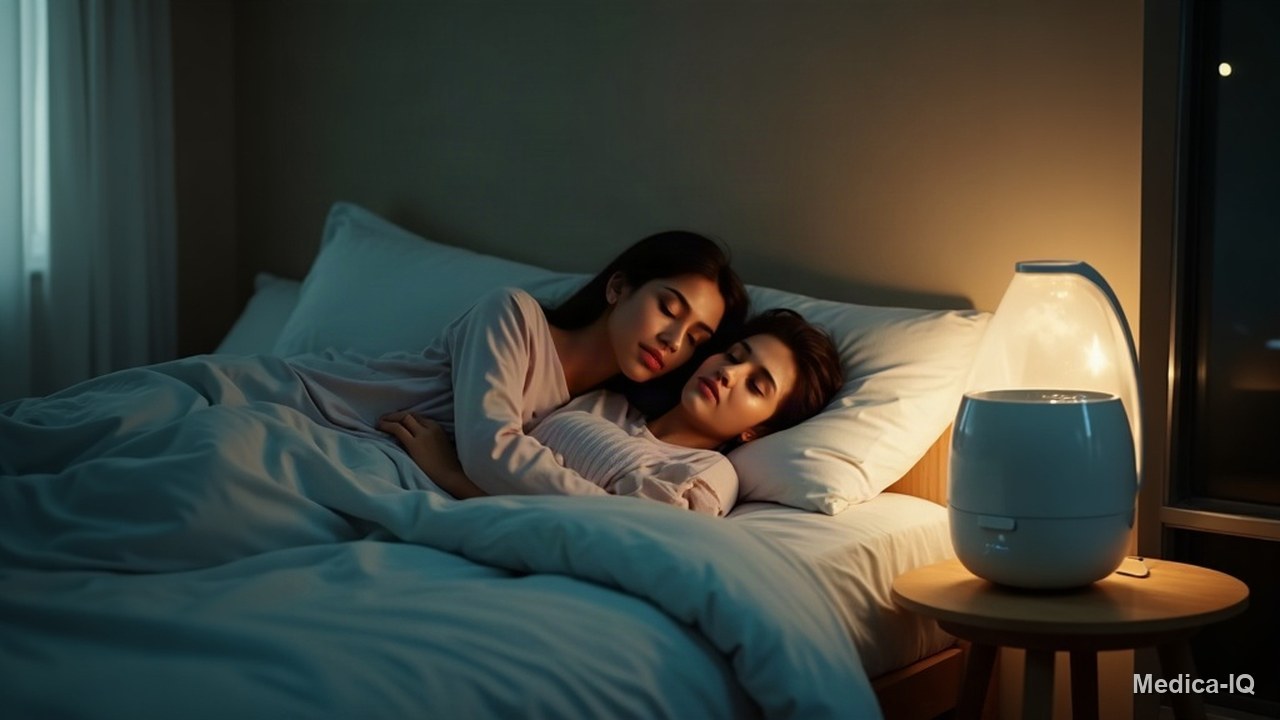
Benefits of Using Humidifiers and Sleep Aids
Adding moisture to the air can alleviate several issues that disrupt rest. Some of the sleeping with a humidifier benefits include:
- Respiratory Relief: Moist air can unclog a stuffy nose and loosen mucus, making it easier to cough up. This is helpful for those with colds, the flu, or bronchitis.
- Skin and Eye Care: Sleeping with a humidifier for skin health can reduce itchiness, scaling, and cracking. It also helps prevent dry eyes.
- Nasal Health: By keeping nasal membranes hydrated, these devices can lower the risk of nosebleeds.
- Throat Comfort: People suffering from tonsillitis may find that humidified air reduces throat pain.
- Sound Masking: The device can provide white noise to block out disruptive sounds.
- PAP Machine Support: For those treating obstructive sleep apnea, these devices can ease nasal congestion and dryness of the mouth and skin.
Determining the Best Humidity Level for Sleep
Experts suggest maintaining indoor humidity between 30% and 50%.
When levels are too low, skin and eyes dry out, and the body may feel colder because sweat evaporates too quickly. Conversely, high humidity prevents the body from cooling down, which can disrupt sleep on hot nights. Excessive moisture also encourages the growth of mold and dust mites, which may cause coughing, skin rashes, or stuffy noses.
To track these levels, you can use a hygrometer, which is a small, affordable humidity gauge.
Which Humidifier Should You Use?
The right choice depends on the area you need to cover and the method of moisture delivery.
Device Types by Size
- Central: Built into the home’s HVAC system to cover the entire house.
- Console: Large cabinet-style units for one or more rooms.
- Portable: Small, movable units for a single room.
Moisture Delivery Methods
- Cool Mist/Impeller: Forces water through a screen.
- Ultrasonic: Uses high-frequency vibrations to create mist.
- Steam Vaporizer: Heats water to create steam.
- Evaporative: Blows air over wet material to cause evaporation.
For children’s rooms, cool mist or ultrasonic options are safer because they lack hot water. However, these can disperse minerals and bacteria, so distilled water is recommended. Steam vaporizers reduce contaminant risks but can cause burns. Evaporative models do not disperse minerals or bacteria but are often bulkier.
Tips for Using Humidifiers for Bedroom Comfort
To maintain a healthy environment, follow these guidelines:
- Placement: Position the device about six feet from the bed near a vent to improve air circulation.
- Water Quality: Use distilled water in cool mist models to prevent mineral buildup.
- Avoid Over-humidifying: Keep levels below 50% to prevent mold and mildew.
- Daily Care: Empty, wipe dry, and refill portable tanks every day.
- Deep Cleaning: Every three days, scrub the tank with a brush. You may use a 3% hydrogen peroxide solution, but rinse thoroughly to avoid breathing in chemicals.
- Storage: Sanitize the unit before storing it and again before its next use.
FAQ
Can humidifiers help sleep?
Yes, by relieving dry skin, easing respiratory congestion, and providing background white noise, they can make the sleep environment more comfortable.
Can humidifiers help sleep apnea?
They can alleviate some discomforts associated with PAP machines used for sleep apnea, such as a sore mouth or nasal congestion.
What is the best humidity level for sleep?
The ideal range is between 30% and 50%.
How to monitor humidity levels in your room?
You can use a palm-sized device called a hygrometer to measure the moisture in the air.
When to See a Doctor
Stop using the device and contact a healthcare professional if you develop any respiratory issues while using it.
Disclaimer: This content is for informational purposes only and does not constitute medical advice.
Related articles
- How to Sleep Better in Hotels: Tips for a Restful Stay
- How Yoga Helps Relieve Menopause Problems
- Dreaming About Arguing With Your Ex: Meaning and Causes
- Understanding Nightmare Disorder: Symptoms and Treatment
- More about Sleep & Sleep Disorders
Illustration: AI-generated
approved by: Medica Health team