A person’s sleep quality rate is closely linked to their emotional state, with nearly half of those reporting poor sleep also rating their mental health as poor.
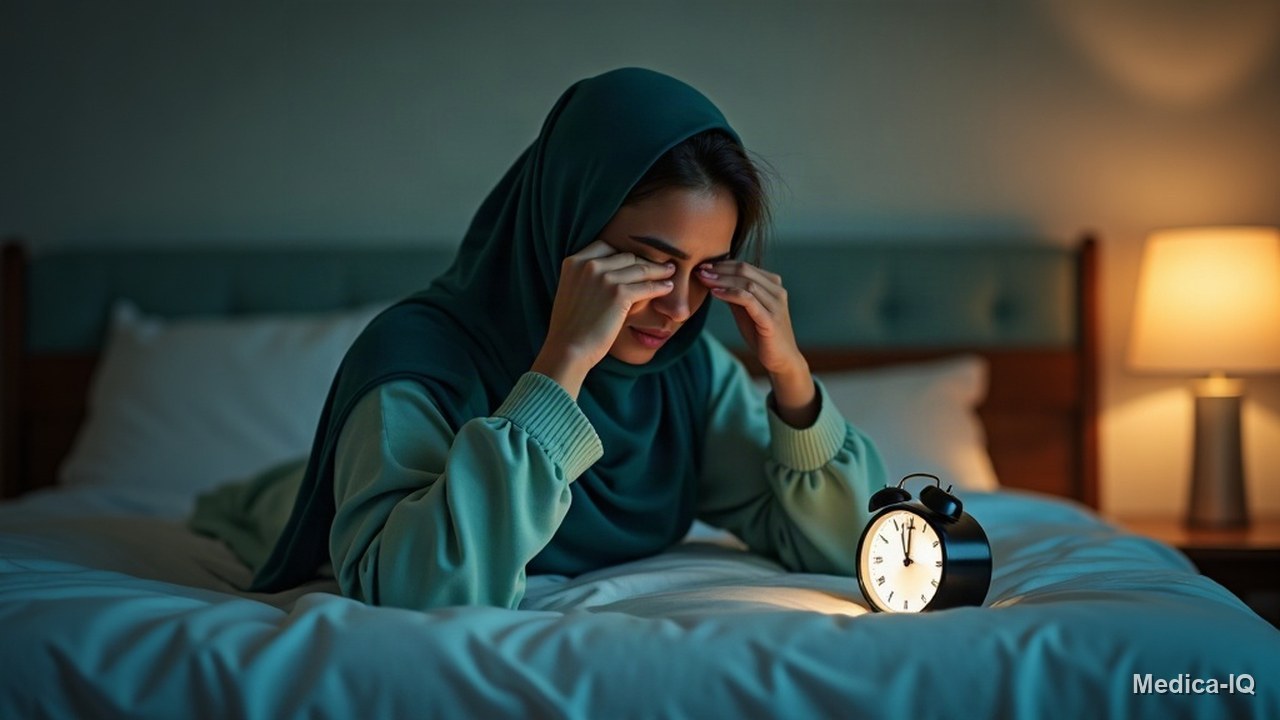
The Connection Between Mental Health and Sleep Quality Rate
Emotional wellness and rest exist in a reciprocal relationship. When mental health is poor or very poor, individuals typically get about 6.3 hours of sleep, compared to 7.2 hours for those with above-average mental health. Furthermore, those who describe their sleep quality rate as poor or very poor are three times more likely to view their mental health negatively.
This creates a feedback loop where stress, depression, or anxiety prevents rest, and the resulting exhaustion makes it harder to manage those same emotional struggles. People with below-average sleep are more likely to experience:
- Irritability and nervousness (59% vs. 29% for those with above-average sleep)
- Feelings of loneliness (45% vs. 26%)
- Worry and apprehension (58% vs. 32%)
How Mental Health Conditions Affect Rest
While sleep deprivation affects everyone, those with depression or anxiety may feel the consequences more intensely. Even if they sleep the same number of hours as others, they are more likely to experience:
- Lack of motivation (67% vs. 37%)
- Mood swings (62% vs. 32%)
- Irritability (58% vs. 32%)
- Focus loss or memory gaps (40% vs. 18%)
- Reduced sex drive (26% vs. 9%)
Anxiety can disrupt the brain’s electrical activity, causing frequent awakenings that move the sleeper from deep to light sleep. This fragments the night and prevents the REM stage, which is necessary for creativity, learning, and memory.
The Role of Life Stressors and Age
Major life events, such as the death of a loved one or a divorce, can reduce nightly sleep by an average of 28 minutes. People facing three or more major stressors are twice as likely to have below-average sleep and three times more likely to rate their mental health as very poor.
Age also influences how people perceive these issues. Adults under 44 are more likely to name mental health as the primary cause of their sleep problems (30%) compared to those over 45 (18%). However, people over 45 generally sleep about 20 minutes less per night and are more likely to report a lower sleep quality rate.
How to Cope with Anxiety-Related Sleep Issues
Managing sleep disturbances often requires a combination of behavioral changes and professional guidance.
- Expert Support: Individuals experiencing anxiety-driven sleep issues are encouraged to try cognitive behavioral therapy for insomnia (CBT-I). Doctors may also suggest sleep studies, supplements like magnesium, or specific medications.
- Daily Habits: Limiting caffeine to two cups before noon and going to bed before reaching a state of extreme exhaustion can help.
- Mental Tools: Writing down stressful thoughts in a notebook by the bed can clear the mind.
- Relaxation Techniques: Using audiobooks, ASMR, or non-sleep deep rest (NSDR) can help the body recover when full sleep is not possible.
FAQ
How to Cope with Anxiety-Related Sleep Issues?
Try practicing non-sleep deep rest (NSDR), using a bedside notebook to write down worries, or limiting caffeine intake to the morning. Seeking CBT-I or consulting a doctor about a sleep study can also provide relief.
What is a good sleep quality percentage?
The provided data does not list a specific “good” percentage, but it notes that people with above-average mental health typically sleep around 7.2 hours per night.
How to rate sleep?
While there is no universal scale provided, individuals often categorize their sleep as above-average, average, or below-average based on duration and how rested they feel.
When to See a Doctor
Consult a healthcare provider if you experience the following warning signs:
- Chronic insomnia that prevents you from functioning as a parent or employee.
- Frequent awakenings accompanied by intense anger, frustration, or anxiety.
- A persistent cycle of depression or anxiety that makes it impossible to fall asleep.
- Significant memory loss or a total lack of motivation resulting from poor rest.
Disclaimer: The provided material is intended solely for general knowledge and is not a substitute for professional medical guidance. Consult a licensed doctor or healthcare specialist for any concerns about your health.
Related articles
- How Long Does It Take for Caffeine to Wear Off?
- How to Become a Morning Person: Tips and Strategies
- Sleep Quality: Airbnbs Los Angeles vs. Hotels
- How Sleep Loss Insulin Resistance Teens Develops
- More about Sleep & Sleep Disorders
Illustration: AI-generated
approved by: Medica Health team