Learn the safest ways to dress your child for sleep, including layering tips for infants and the best pajama choices for toddlers to ensure a restful night.
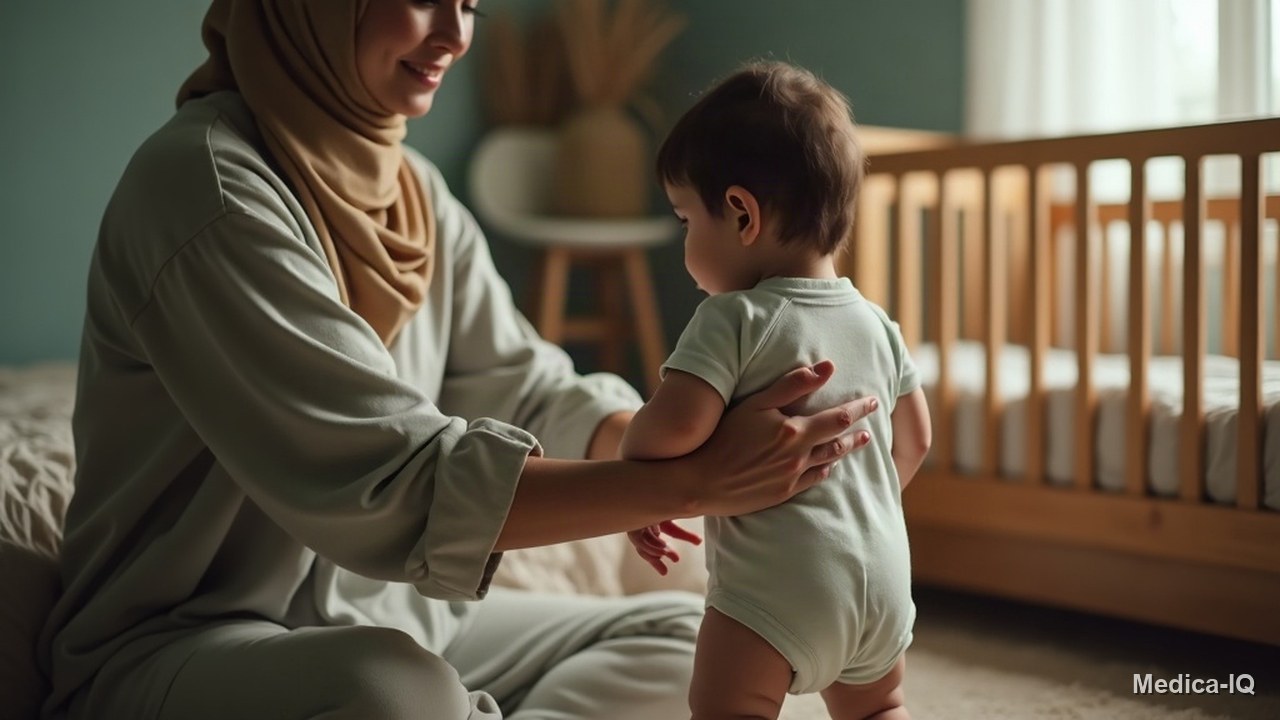
Safe Guidelines to Dress Your Baby for Sleep
To keep an infant comfortable without using blankets, follow the general rule of dressing them in one more layer than an adult would wear in the same room. Lightweight, breathable cotton layers help prevent overheating while maintaining warmth.
Depending on the temperature, you can choose:
- Warm nights: A onesie, breathable cotton pajamas, or just a diaper with a light swaddle.
- Cooler nights: Footed pajamas or a long-sleeved onesie with a sleep sack or swaddle layered on top.
Prioritize natural materials that do not irritate the skin. Choose stretchy, well-fitting outfits; avoid clothing so loose that it could slide up toward the baby’s neck or face. For convenience, select designs with zippers or snaps to simplify diaper changes.
Swaddles vs. Sleep Sacks
While both provide warmth, these two options serve different purposes:
- Swaddles: These wrap the baby snugly to reduce the startle reflex and help newborns feel secure, though they restrict movement.
- Sleep Sacks: Also called wearable blankets, these are looser and leave the arms free, making them safer for babies who can move more.
Because swaddling can be dangerous if a baby rolls onto their stomach, always place a swaddled infant firmly on their back. Ensure a gap of two to three fingers at the chest for breathing and enough room for hips to develop. Stop swaddling as soon as the baby shows signs of rolling over, which typically happens between two and three months. At this stage, a sleeveless sleep sack is recommended.
Dressing Toddlers for Bed
Sleepwear needs change as children grow. Most toddlers begin using blankets between ages one and two, though they often kick them off. To keep them warm, you can use:
- Soft, chemical-free cotton fabrics.
- Footed pajamas, onesies, or socks for cold weather.
- Toddler-sized sleep sacks if they struggle to keep covers on.
Avoid non-breathable synthetic materials like fleece. Ensure pajamas fit snugly without restricting movement. Check labels to see if clothing is flame-retardant or tight-fitting to meet safety laws, and avoid items with loose ties or broken zippers.
Monitoring Temperature and Comfort
A baby is generally safer being slightly cool than too hot. Premature infants may require extra warmth, but do not add extra clothes or increase room heat if a baby has a fever. Never use hats or head coverings during sleep, as babies release heat through their heads.
Signs of overheating include:
- Flushed cheeks or red skin.
- Sweating or damp hair.
- Rapid breathing.
- A chest that feels hot to the touch.
- Heat rash.
Do not be concerned if the baby’s hands and feet feel cooler than the rest of their body.
FAQ
How to dress your baby for sleep?
Dress them in one more layer than you would wear as an adult. Use breathable cotton and avoid blankets in the crib to reduce the risk of SIDS.
How do you know if your baby is comfortable?
Check their chest for warmth. If they are sweating, have red cheeks, or are breathing quickly, they may be overheating.
Should you swaddle your baby?
Swaddling can calm newborns, but it must be stopped once the baby starts rolling over (usually by two to three months). Always place swaddled babies on their backs.
What should a toddler wear to bed?
Choose breathable, chemical-free cotton pajamas. Depending on the temperature, you can add socks or use footed pajamas.
When to See a Doctor
Consult a pediatrician if you have specific concerns about your child’s safety or if you are unsure when to stop swaddling based on your baby’s developmental milestones. Seek medical attention if your child has a high fever or shows signs of respiratory distress.
Disclaimer: This information is for educational purposes and does not constitute medical advice. Always consult a healthcare provider for medical concerns.
Related articles
- The Connection Between Vitamin D and Sleep
- walking: Understanding Sleepwalking: Causes, Symptoms
- Obstructive Sleep Apnea: Causes, Symptoms and Treatment
- Treatment for Restless Legs Syndrome (RLS): A Full Guide
- More about Sleep & Sleep Disorders
Illustration: AI-generated
approved by: Medica Health team