Discover how fish sleep and the unique ways these aquatic creatures rest, from unihemispheric brain activity to protective mucus cocoons.
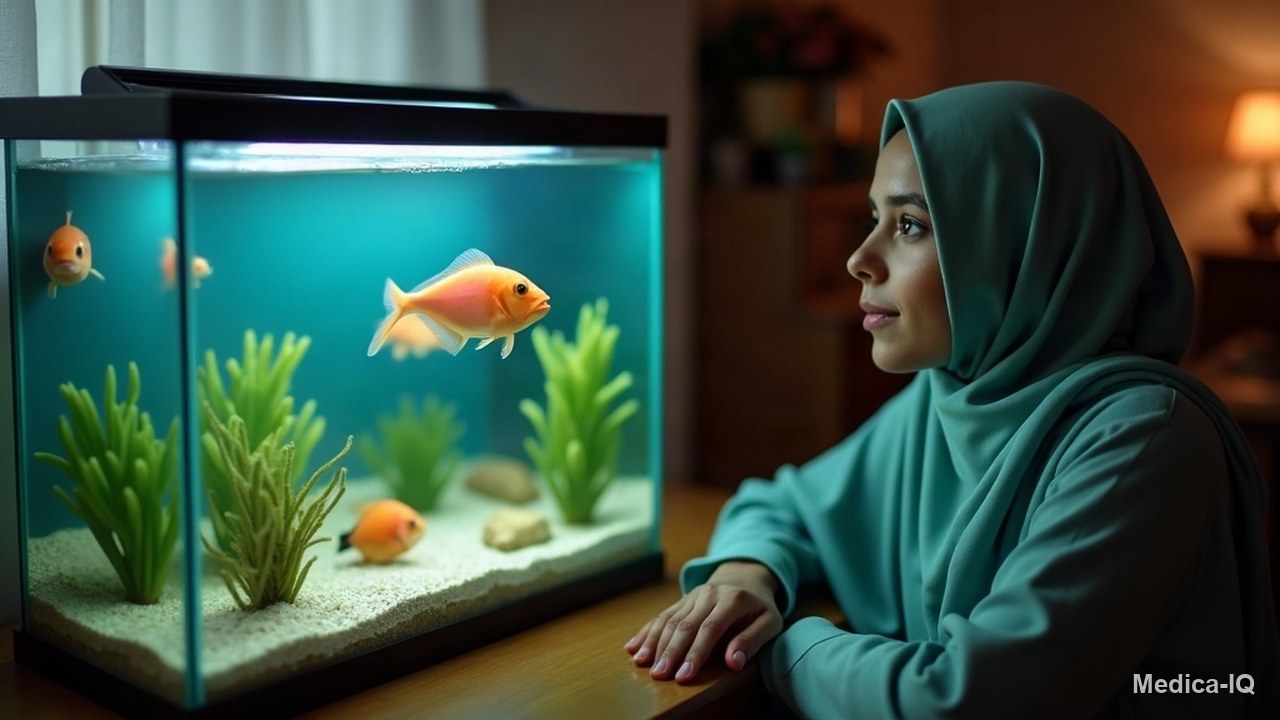
Understanding Fish Sleep
While most animals require rest, the process for aquatic species differs from human slumber. Because most fish lack eyelids, they cannot close their eyes, and researchers often lack the brain wave data typical of human sleep. For these reasons, scientists frequently describe this state as “rest” rather than sleep.
During these periods, fish experience a drop in metabolic rates and physical activity. Some may drift in place or become significantly less responsive to their surroundings.
The Stages of Fish Sleep and Brain Activity
Research on zebrafish suggests that these animals experience distinct stages of fish sleep, including phases similar to REM and slow-wave sleep. Like humans, zebrafish appear to follow a circadian rhythm.
Some species utilize unihemispheric sleep to survive. This allows one side of the brain to remain active while the other rests, enabling the fish to keep swimming slowly. This is especially common in rays and certain sharks that must keep water moving over their gills to obtain oxygen.
Environmental Factors and Resting Habits
The way a fish rests often depends on its habitat and species:
- Diurnal and Nocturnal: Some fish are active during the day and rest at night, while nocturnal sharks sleep during the day.
- Protection: Parrot fish may build a cocoon of mucus, while others hide in reefs or bury themselves in mud and sand.
- Location: Depending on the species, fish may hover in the water column, settle on the ocean floor, or hide in caves.
- Light and Food: While light usually regulates sleep-wake cycles, blind cavefish may rely on food availability to determine their rest patterns.
Estivation vs. Sleep
Some fish enter a state called estivation. Unlike standard sleep, this is a form of suspended animation similar to hibernation. It occurs in dry environments during times of water or food scarcity, drastically slowing the metabolism to help the animal survive for years or an entire dry season.
FAQ
Do fish sleep?
Yes, although it looks different from human sleep. They enter a state of reduced responsiveness and slowed metabolism, which scientists often call resting.
Do fish have a circadian rhythm?
Many do. For most, this cycle is triggered by light and dark periods, though some deep-sea species may use other cues like food access.
How can you tell if a pet fish is asleep?
Signs include staying still for several minutes, floating in one spot, retreating to the tank’s edges or under decor, and reacting slowly to food or light.
Which fish sleep with one eye open?
Species that use unihemispheric sleep, such as some sharks and rays, keep half their brain active to continue swimming, effectively keeping one eye “awake.”
When to See a Vet
If you notice your pet fish exhibiting abnormal behavior, such as gasping for air, unusual spots on the skin, or a complete lack of movement for extended periods that does not align with their usual resting patterns, consult an aquatic veterinarian.
Disclaimer: This content is for informational purposes only and is not a substitute for professional medical or veterinary advice.
Related articles
- What is Cheyne-Stokes Respiration? Causes & Treatment
- cpap pillow: CPAP Machine and Weight Loss
- What Is NREM Sleep? Meaning, Stages, and Importance
- Consequences of Not Sleeping Enough on Appetite
- More about Sleep & Sleep Disorders
Illustration: AI-generated
approved by: Medica Health team