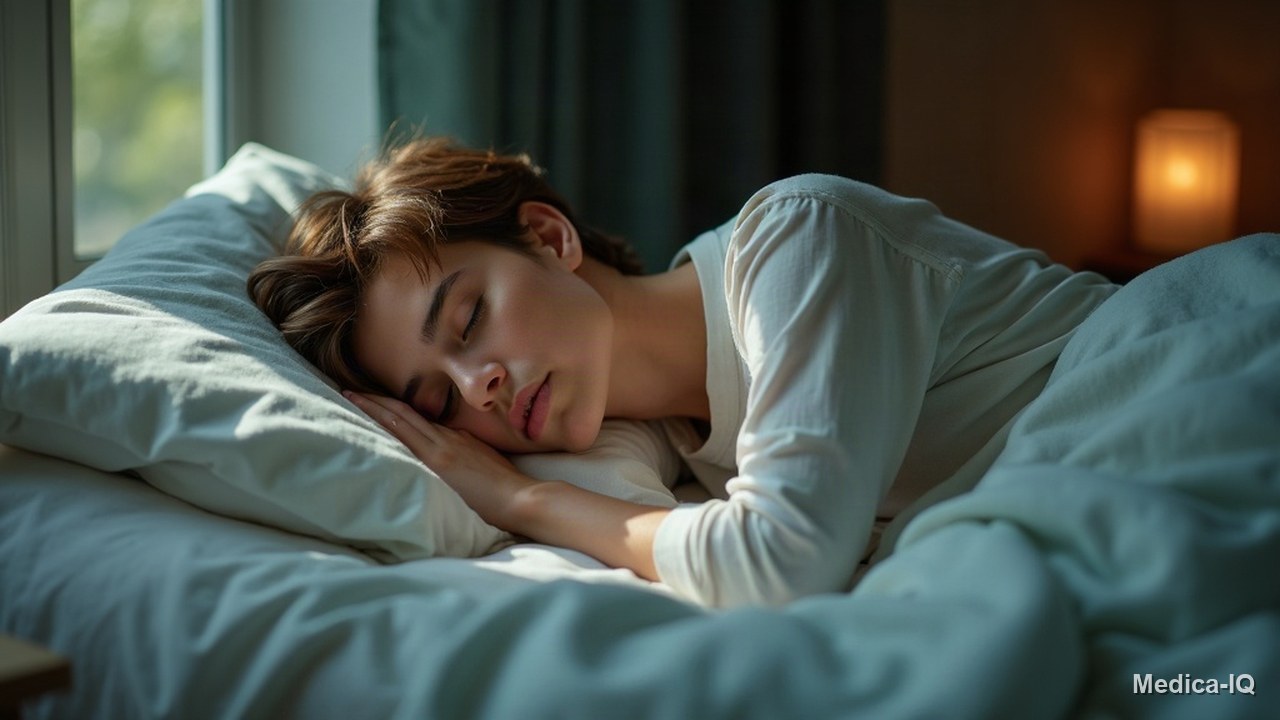
A child sneezing in sleep is relatively rare due to the reduction of involuntary reflexes, but it can occur during light sleep stages or partial awakenings.
How Does the Sneezing Process Work?
Sneezing is a defensive mechanism the body uses to expel irritants that enter the nose, such as smoke, dust, viruses, and pollen. The process begins when nerves send signals to the brain indicating the presence of a foreign object. The brain then triggers a rapid response involving the contraction of chest muscles and the closing of the eyes, resulting in a powerful burst of air and mucus to clear the nasal passages.
The Impact of Sleep Stages on Sneezing While Sleeping in Children and Adults
The likelihood of this response occurring depends on the stage of sleep the person is experiencing:
- Non-Rapid Eye Movement (NREM) Sleep: This consists of three stages ranging from light to deep sleep. In light stages, a person may sneeze without realizing it, or it may require a brief awakening.
- Rapid Eye Movement (REM) Sleep: During this stage, temporary muscle relaxation (loss of muscle tone) occurs, which inhibits the ability to sneeze.
As for children, the sneezing observed while they are asleep is often because they are in a light sleep stage or a state of partial arousal, rather than because they sleep more lightly than adults.
Why Does Waking Up Because of Sneezing Happen?
The body may detect nasal irritation that leads to a brief awakening to sneeze, which the person may not remember in the morning. There are various causes of sneezing at night, including:
- Common colds or influenza.
- Allergies to pet dander, dust, or pollen.
- Use of certain nasal sprays, such as corticosteroids.
- Exposure to dry air, pollution, or spicy foods.
- Withdrawal effects of certain medications.
How to Avoid Waking Up from Sneezing
To reduce the likelihood of nighttime awakenings, the following measures can be taken:
- Air Purification and Humidification: Use air purifiers to reduce triggers and a humidifier to prevent the mucous membranes from drying out (maintaining humidity below 50%).
- Room Hygiene: Change bed linens every one to two weeks to reduce dust mites.
- Topical Treatments: Use a saline nasal rinse (prepared with sterile or distilled water) to clean the nasal passages.
- Medications: Consult a pharmacist regarding antihistamines or corticosteroid sprays to relieve allergy symptoms.
Frequently Asked Questions
Why does my child sneeze at night?
When exposed to allergens, the body releases histamine to fight them, causing an allergic reaction that manifests as sneezing and a runny nose or watery eyes.
Can toddlers sneeze in their sleep?
Yes, though it usually happens during light sleep. Closing the eyes during a sneeze happens automatically as part of the body’s involuntary response.
Why do I sneeze while sleeping?
The body attempts to clear accumulated mucus in the nose during a cold or flu, which increases the frequency of sneezing.
What are the benefits of sneezing?
Sneezing acts as a first line of defense to remove microbes and irritants, preventing them from reaching the lungs or sinuses, and helps reactivate the cilia lining the nose.
When Should You Visit a Doctor?
You should consult a specialist in the following cases:
- If nighttime sneezing is frequent and clearly affects sleep quality.
- If there is nasal bleeding or a change in the sense of smell.
- If sneezing occurs frequently without an obvious cause.
- Warning: Seek urgent medical evaluation if sneezing is accompanied by shortness of breath.
Disclaimer: This content is for informational purposes only and is not a substitute for professional medical advice.
Related articles
- What is GLP-1s Meaning? Use for Weight Loss and Sleep Apnea
- Sleeping in a Tent: Tips and Gear for Comfort
- Understanding the Dangers of Nighttime Sleep Deprivation
- Understanding the 4-Month Sleep Regression: Signs & Tips
- More about Sleep & Sleep Disorders
Illustration: AI-generated
approved by: Medica Health team