Finding the right cpap masks for side sleeping and other positions helps ensure a secure seal and better therapy compliance for a restful night.
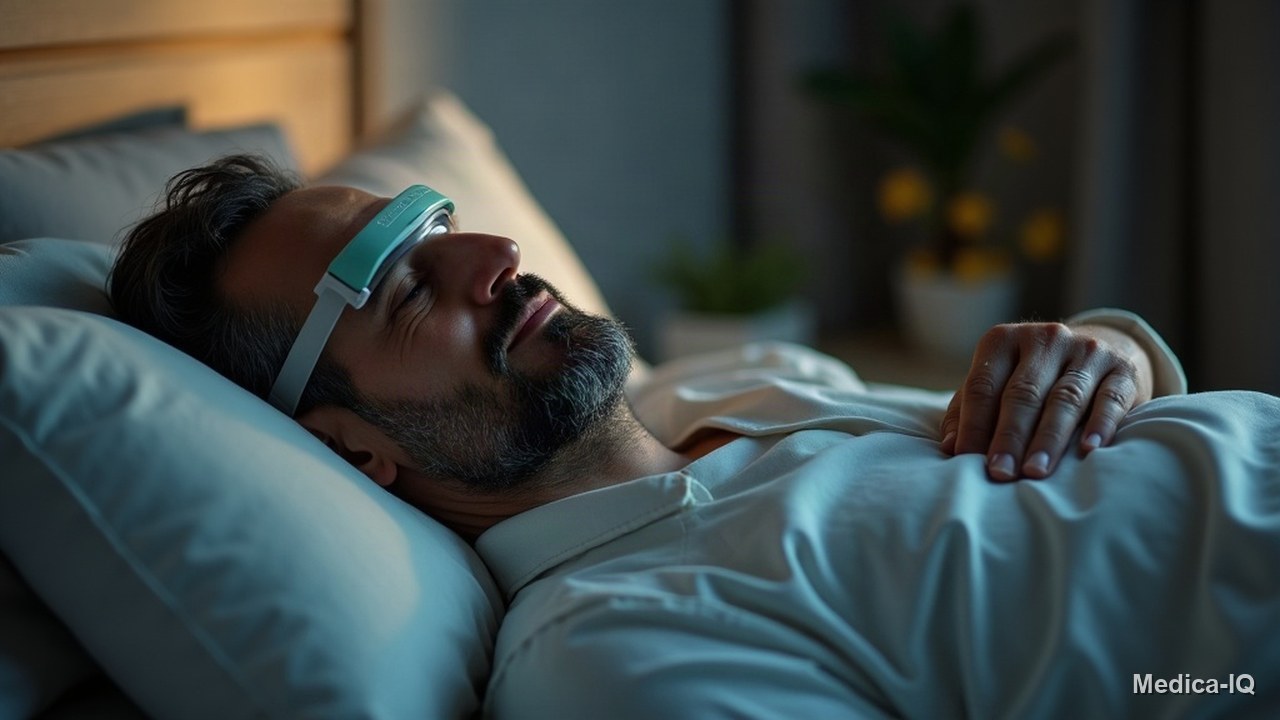
Why Your Position Affects Your CPAP Mask Choice
The way you lie in bed influences whether your equipment stays in place. If a mask shifts or slips, it can create noisy air leaks, which may disrupt your sleep and reduce the effectiveness of your treatment. The goal is to find a design that accommodates your movements and maintains a consistent flow of air.
Matching Mask Types to Sleep Positions
There are three primary designs to consider: full-face masks (covering the nose and mouth), nasal masks (covering the nose), and nasal pillow masks (fitting only into the nostrils).
Side Sleepers
Many people find that nasal pillow masks are an excellent choice because their low profile typically sits above the pillow line. Nasal masks are also an option, though some users may need a specialized CPAP-friendly pillow to maintain a proper seal.
Back Sleepers
Those who sleep on their backs can generally use any style, including the bulkier full-face options. While this position is easy for the mask to stay put, it can increase the risk of the airway collapsing.
CPAP Masks for Stomach Sleepers
Sleeping face-down is the most challenging position because most equipment will press into the face or cause neck strain. Nasal pillow masks are usually the only viable option here due to their minimal size.
Active or Combination Sleepers
If you toss and turn, look for flexibility. Nasal pillow masks offer a softer shell, while some nasal masks feature swivel designs or top-of-head tubing to prevent the hose from tangling.
Additional Factors for Selection
Beyond position, other personal needs impact your choice:
- Breathing Habits: Full-face masks are necessary for mouth-breathers or those with chronic nasal congestion. Nasal or pillow styles work best for those who breathe only through the nose.
- Facial Hair: Nasal pillows are ideal for those with thick beards since they have minimal contact with the skin.
- Sensitivity: People who feel claustrophobic may prefer starting with the least obtrusive nasal pillow design.
- Pressure Needs: High-pressure settings often require the stability of a full-face mask to prevent leaks.
How to Know if Your CPAP Mask Fits Properly
A correct fit is indicated by waking up feeling restored, having no significant skin irritation, and experiencing few interruptions from air leaks.
Warning signs of a poor fit include:
- Hissing sounds that wake you up.
- Dryness in the mouth, nose, or eyes.
- Sore nostrils or jaw pain.
- Daytime exhaustion despite spending enough time in bed.
- A partner reporting gasping or snoring.
FAQ
What CPAP mask is best for side sleeping?
Nasal pillow masks are often preferred due to their low profile. Nasal masks are also a good choice, though they may require a specific pillow to prevent leaks.
Why does sleep position matter when selecting a mask?
Your position determines if the mask will stay sealed or be pushed out of place, which affects the consistency of the airflow and your overall comfort.
Can I sleep on my side with a CPAP mask?
Yes, side sleeping is often encouraged for sleep apnea. Using a low-profile mask or a CPAP-specific pillow can help maintain the seal.
What should I do if my mask leaks?
You can try adjusting the straps or using a liner for skin sensitivity. If these changes do not work, consult your healthcare provider for a different style.
Medical Disclaimer: This content is for informational purposes and is not medical advice. Always consult your doctor before changing your treatment or starting new medication.
Related articles
- Period Insomnia: Symptoms, Causes, and Treatment
- Better Sleep While Working Remotely: Tips and Guide
- How to Diagnose Narcolepsy: Tests and Symptoms
- What Is the Scandinavian Sleep Method? A Complete Guide
- More about Sleep & Sleep Disorders
Illustration: AI-generated
approved by: Medica Health team