While many believe they rest more during the holidays, U.S. adults actually lose an average of 11 minutes and 14 seconds of sleep, meaning there ain t no turkey on thanksgiving when it comes to extra shut-eye.
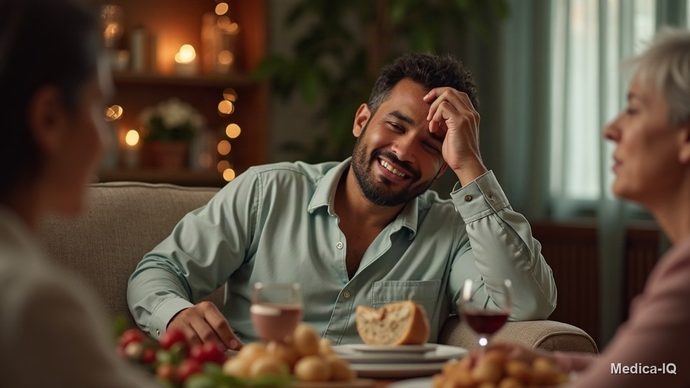
Why We Experience Thanksgiving Sleep Loss
Contrary to popular belief, the traditional feast is not the primary cause of restlessness. A survey of 1,250 adults found that stress and anxiety were the top reasons for lost sleep, cited by 34.7% of respondents. Family obligations were the second most common factor at 27.4%.
The burden of hosting can significantly impact rest. Those who host the holiday lose an average of 51 minutes of sleep. This is often due to the pressure of coordinating guests, preparing the home, and managing the meal.
Other factors contributing to poor sleep include:
- Dietary Changes: Consuming larger, carbohydrate-heavy thanksgiving foods and alcohol can disrupt sleep quality and duration.
- Altered Routines: Later bedtimes and late-night meals often negatively affect how long and how well people sleep.
- Alcohol Consumption: About 35.2% of people who lose sleep report drinking more than usual, compared to 28.4% of the general group.
The Impact of Black Friday and Travel
Work and shopping habits on the day after thanksgiving day also play a role. Over half of those who lose sleep (52.4%) work on Black Friday, and this group loses an average of 50 minutes of sleep. While only 14.3% of those with sleep loss blame shopping, 41.7% of Black Friday shoppers report losing an hour or more of sleep per night.
Travel can also be a factor, though it is less common than stress. About 16.4% of survey participants traveled overnight and lost roughly 20 minutes of sleep. Common complaints included:
- Uncomfortable sleeping environments (20.4%).
- Unfamiliar surroundings (17.2%).
- Stress and anxiety (32.3%).
How To Prevent Thanksgiving Sleep Loss
Maintaining healthy habits can help you stay rested during the festivities. Experts suggest the following tips:
- Manage Intake: Limit alcohol and large meals. Stop consuming caffeine after 12:00 PM and stay hydrated.
- Prioritize Wellness: Get fresh air and physical movement, particularly before bedtime.
- Plan Ahead: Hosts should organize their schedule to account for potential chaos.
- Communicate: Tell guests and family that you are prioritizing sleep so they can adjust their expectations.
- Pack Comforts: If traveling, bring a favorite pillow, a white noise machine, a sleep mask, or a travel fan to mimic your home environment.
FAQ
Eat, Drink, Be… Exhausted?
Yes, overeating and drinking can affect sleep. While 51.2% of those who sleep more cite these as the reason, 29.4% of those who lose sleep blame food and drink.
Does Thanksgiving Travel Tire Us Out?
It can. Overnight travelers reported losing about 20 minutes of sleep, often due to unfamiliar environments or stress.
How To Prevent Thanksgiving Sleep Loss?
You can prevent sleep loss by limiting caffeine after noon, reducing alcohol, maintaining a movement routine, and using familiar bedding when traveling.
When to See a Doctor
Consult a healthcare provider if you experience chronic insomnia, severe anxiety that prevents sleep, or if your sleep quality does not return to normal a few days after the holiday routine ends.
Disclaimer: This content is for informational purposes only and does not constitute medical advice. Always seek the guidance of a qualified health provider with any questions regarding a medical condition.
Related articles
- Samsung Watch Sleep Apnea Detection: How It Works
- Does Sleeping More During a Weekend Holiday Help?
- New Study Finds That the Wavelength of Light Impacts Sleep
- Morning Headaches: Why Do I Wake Up With a Headache?
- More about Sleep & Sleep Disorders
Illustration: AI-generated
approved by: Medica Health team